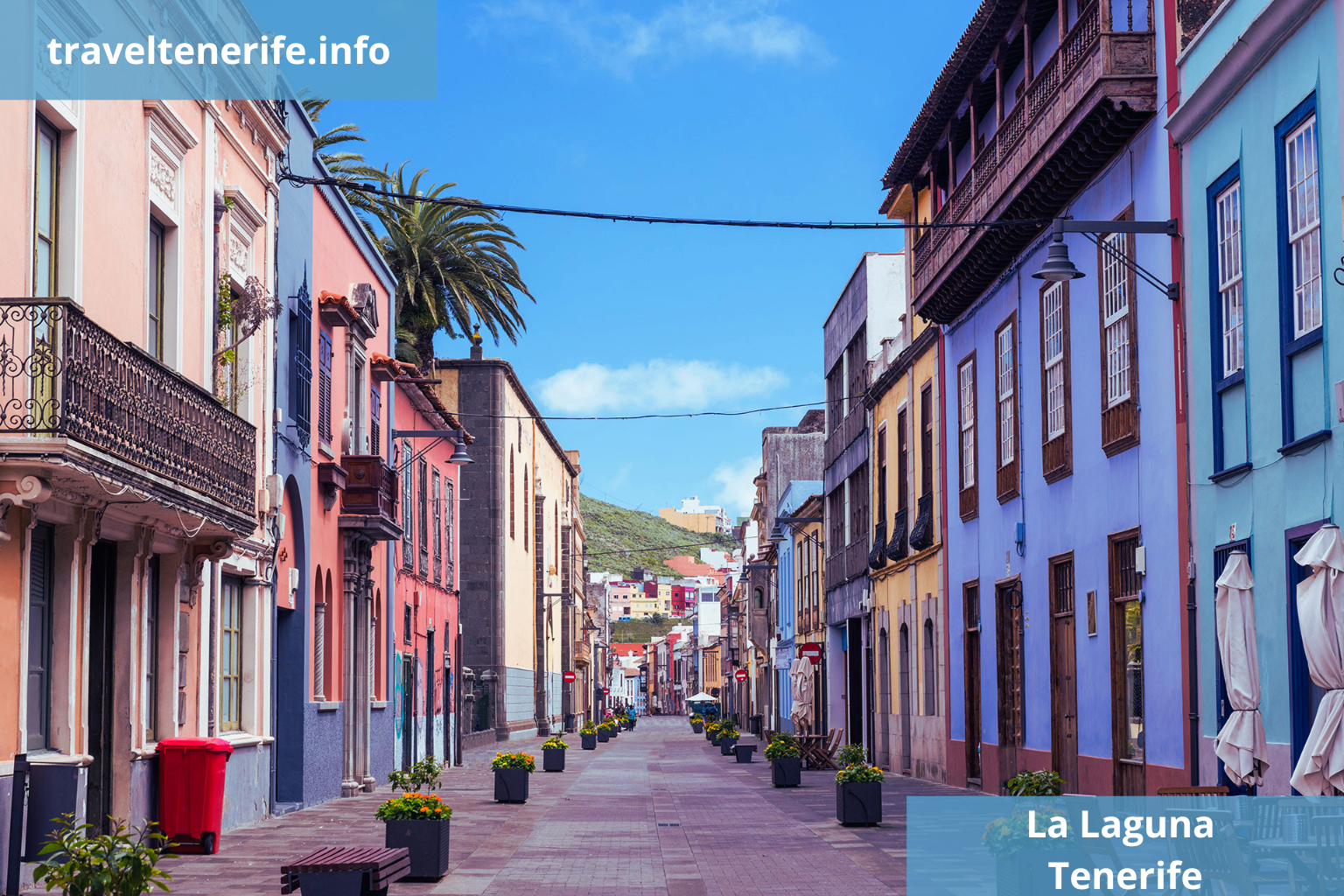
San Cristóbal de La Laguna – simply called La Laguna – is a charming university city in northern Tenerife. Its historic center, lined with colorful colonial buildings, is a UNESCO World Heritage site praised as “the most beautiful town in Tenerife”. With a lively cultural scene and youthful energy from its 25,000 students, La Laguna offers a vibrant blend of history, shopping, dining, and nightlife. This guide expands on every facet of visiting La Laguna – from bars and festivals to markets, itineraries, tips, and more.
Nightlife in La Laguna
La Laguna’s nightlife centers on the pedestrianized “Cuadrilátero” (Rectangular Quarter) between Plaza del Adelantado and Plaza del Cristo. Here, dozens of bars and pubs spill onto the streets, catering mostly to students and young locals. By night, narrow lanes like Calle Nava y Grimón and Calle San Agustín buzz with energy and music. The mood ranges from laid-back terraces to pulsing dance floors. Popular spots include Irish-style pubs and rock bars, as well as trendy music venues and live-culture spaces. Tourists can expect friendly, informal scenes – a mix of pop, Latin, and rock tunes. A Reddit user summed it up: “In La Laguna there are plenty of good places… where people use to hang out before clubbing”.
Key La Laguna nightlife highlights include:
- La Orchila – A cozy Irish-themed pub with a mix of Latin music, perfect for a relaxed beer.
- Haring – A popular young crowd bar known for rock and indie tunes (it offers very affordable drinks).
- Sòcrates – A “legendary underground pub” for 80s/90s pop-rock classics.
- Búho Club – A lively dance club with live bands and DJs in a friendly atmosphere.
- El Rincón de Tintín – A fun Tintin-themed bar serving cocktails in a comic-inspired setting.
- Luz Oscura – A favorite for hard rock fans (it’s “dedicated to rock in all its variations”).
- Aguere Cultural Centre – Not a bar, but an important cultural venue (in converted San Agustín convent) that hosts concerts, theater and festivals. It’s known for its diverse live events and late-night gigs.
- Transylvania – A small plaza bar with mixed music of 80s and current hits.
These venues keep the streets buzzing until early morning on weekends. After midnight, the atmosphere gets party-heated, especially on Thursdays through Saturdays. (Weekday nights are much quieter.) Tourists should tip slightly – e.g. leave small change in bars – and remember that Spaniards usually dine and drink late. Many bars serve tapas or snacks, so a late dinner followed by a bar-hopping stroll is a local custom. Overall, La Laguna is very safe at night (Tenerife is “one of the safest places in Europe”), but always stay aware in crowded spots.
Shopping and Local Crafts
La Laguna’s historic center is also a shoppers’ delight. Its narrow streets and plazas host a mix of modern boutiques, quaint craft shops and busy markets. The main shopping artery is Calle Herradores (Cobblers’ Street), a pedestrian zone filled with clothing stores, jewelry shops and design boutiques. As one travel guide notes, “Calle Herradores is a must-visit street, where you can find unique, handmade jewelry, artisanal crafts, and local fashion brands”. Nearby, Calle Obispo Rey Redondo and Calle Nava y Grimón also offer apparel and souvenirs.
For authentic artisanal finds, check out:
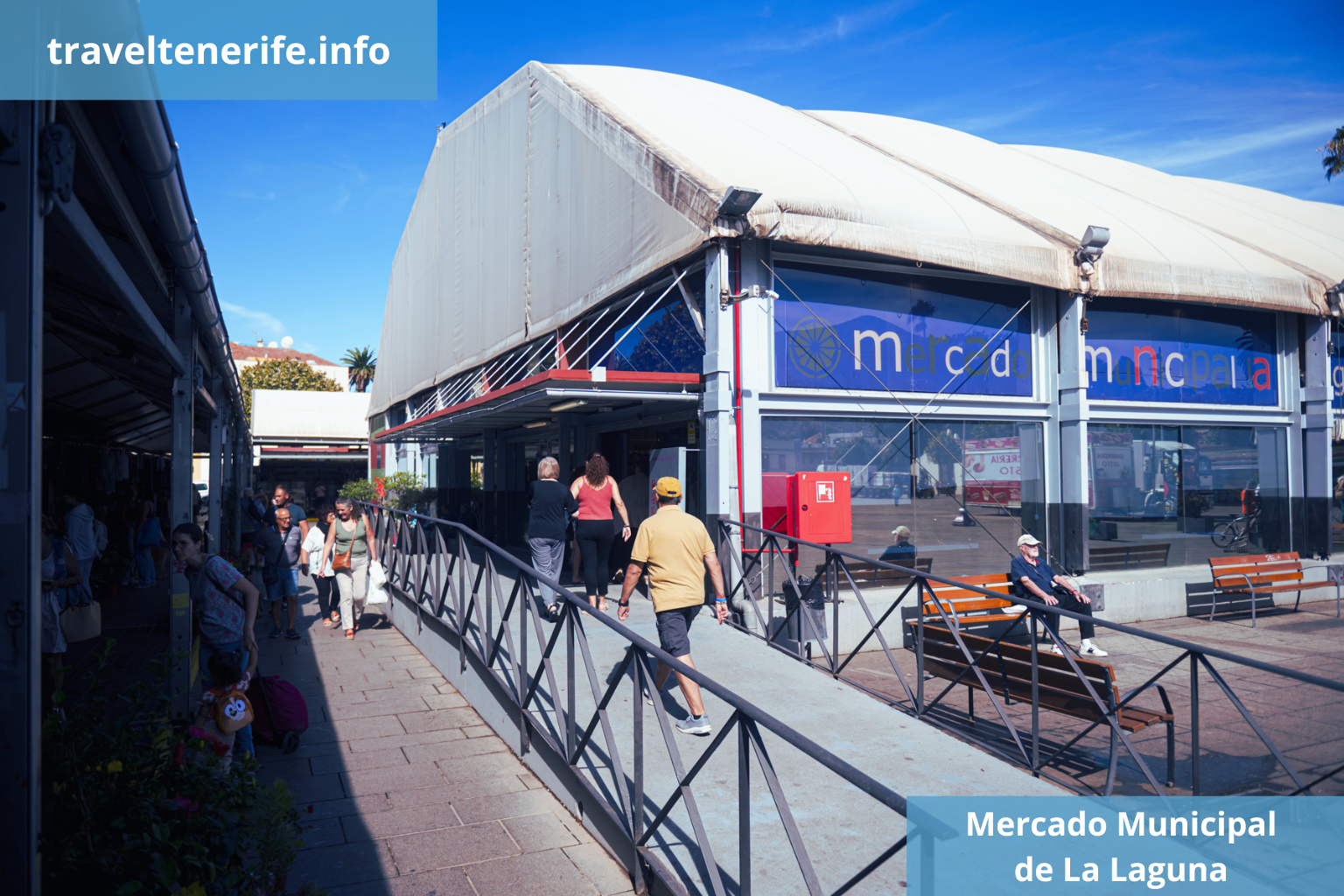
- Mercado Municipal de La Laguna (Plaza del Cristo) – The traditional covered market in the Plaza del Cristo is great for local produce and specialties. Stalls brim with Canarian cheeses, papas arrugadas (wrinkled potatoes) and mojo sauces. There are also vendors selling nuts, sweets, spices and floral items. Even if you don’t buy much, it’s a window into island life. (On Sundays the market becomes a lively flea market with crafts and antiques.)
- Plaza de la Concepción – Often the site of pop-up craft fairs and events. In October the plaza famously hosts the Feria de Artesanía de La Laguna, featuring local artisans selling ceramics, textiles, leather goods, jewelry and more. Even outside fairs, you might find open-air stalls on weekends.
- Local Artisan Shops – Scattered shops sell traditional Canarian crafts: vivid Tenerife lace shawls, woven palm-leaf hats, pottery, embroidered linens and wooden carvings. During Christmas the city’s market specifically advertises “handmade Canarian products like woven baskets, jewelry, and embroidered linens”.
- Souvenir Stores – Look for local foods and keepsakes: small bottles of mojo sauce, packets of gofio (toasted grain flour), jars of local honey and jams. Tenerife’s wines (especially the dry reds from the Tacoronte-Acentejo region) make excellent gifts.
- Shopping Malls & Outlets – For more mainstream shopping, the Alcampo hypermarket (north of town) has a large selection of goods, including Canarian specialties. The nearby Alcampo-Centro Comercial Parque Bulevar also offers shops and eateries under one roof.
Insider tip: Wander slowly and browse hidden courtyards or alleys. You might stumble on a small ceramics workshop or boutique. For example, Casa de los Capitanes on Calle Nava y Grimón often has local artisans displaying pottery and trinkets in its courtyard.
What to buy: Canary Islands are famous for papas arrugadas, banana liqueur and wine – so local food/drink items are popular. Handmade crafts like lacework, embroidered textiles (“blonda”), pottery and woven baskets capture the island’s heritage. Jewelry featuring lava stones or the local “Tenerife pearl” is another unique souvenir.
Suggested Shopping Spots (quick list): Calle Herradores; Mercado Municipal (Plaza del Cristo); plazas de Concepción and Domingo Domínguez for crafts; local winery shops (for wines); La Laguna craft fairs.
Cultural Events and Festivals
La Laguna’s strong cultural identity is reflected in its many annual festivals, often tied to religion and Canarian traditions. Highlights include:
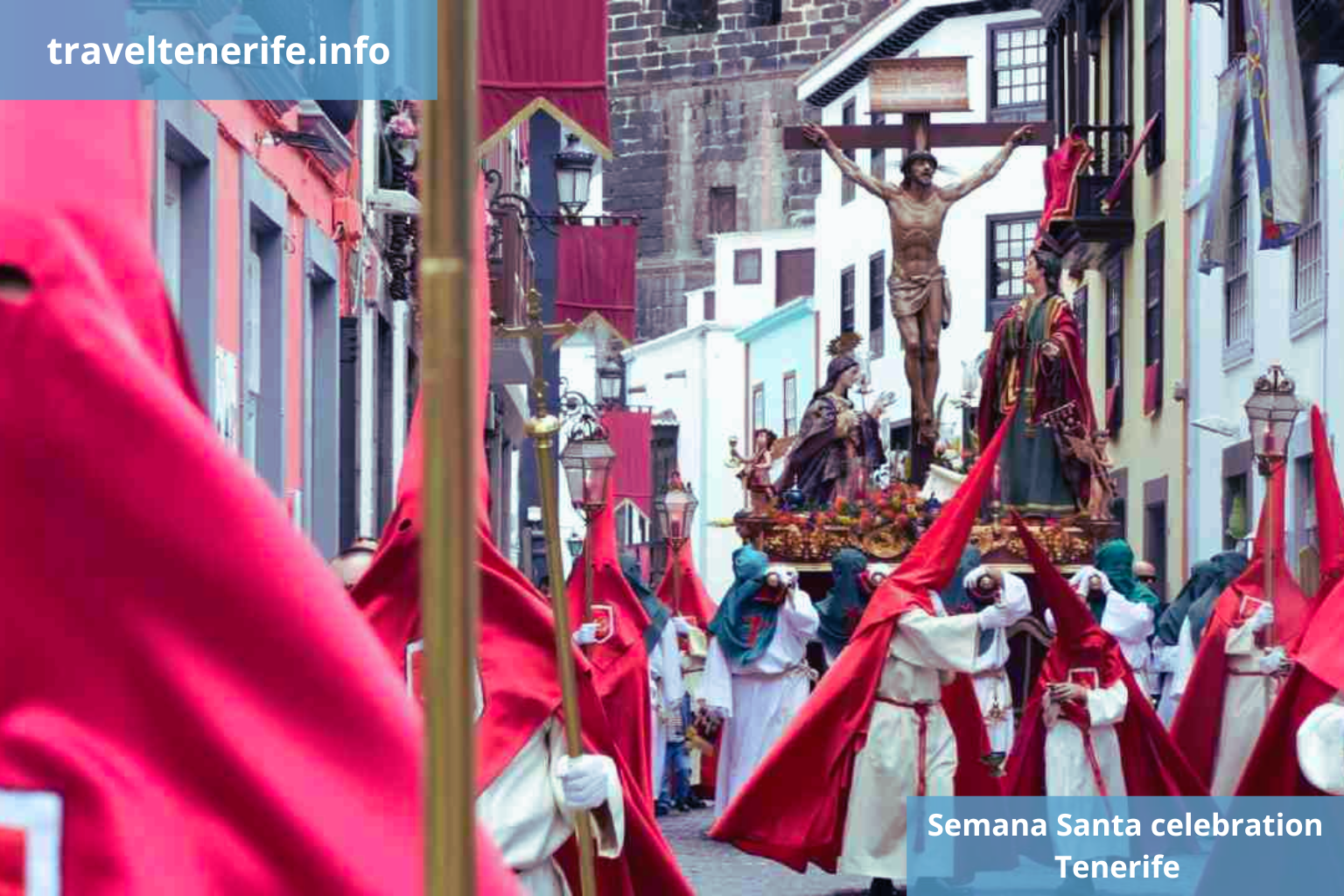
- Semana Santa (Holy Week, March/April) – La Laguna’s Holy Week is one of Tenerife’s most important. Elaborate processions wind through the old town, featuring hooded nazarenos carrying floats with religious statues. The city “comes alive with processions, exhibitions and concerts” during this week. Museum exhibitions and live music often accompany the 10 days of ceremonies.
- Corpus Christi (late May or early June) – Like many Spanish towns, La Laguna decorates streets for the Corpus Christi celebration, sometimes laying out colorful carpets of salt or flower petals. (Nearby La Orotava is famous for its flower carpets; in La Laguna, local churches host special Masses and processions.)
- Romerías (Spring–Summer) – These traditional “pilgrimage festivals” honor local saints and bring rural folk customs into town. Around May–July several romerías occur within La Laguna’s municipality:
- Romería del Pico (Tejina, La Laguna) – mid-May. Villagers dress in traditional costume and parade decorated ox carts to a rural chapel.
- Romería de Valle Guerra (La Laguna) – also mid-May. Agricultural offerings and folk dancing celebrate the spring harvest.
- Romería de Las Mercedes (Las Mercedes area) – late May.
- Romería de Guamasa (La Laguna) – early June.
- Romería de San Benito Abad (La Laguna) – July 14. This is a major local festival with processions, live music and market stands.
These events showcase traditional Canarian music, dance, food and horse parades. As one guide notes, Tenerife’s romerías feature “processions of beautifully adorned carts, folk music, and traditional dress”. (Each year’s dates shift with the calendar, so look up “Romerías Tenerife” for current schedules.)
- Fiestas de Santa Ana (July 26) – Celebrations in honor of the Virgen de La Candelaria’s Assumption, often with church events in La Laguna’s Catedral and cultural activities.
- Feria del Carmen (August 15) – Fishermen’s blessing festival, more prominent in coastal towns, but often acknowledged in Tenerife.
- Noche de San Juan (June 23) – The island-wide midsummer bonfires on beaches. While La Laguna isn’t on the coast, many locals join the big bonfires in Santa Cruz’s Playa de las Teresitas (10 km away).
- Romería Bajada de las Cruces (May 3) – The Island-wide Day of the Cross is observed with decorated crosses in homes and plazas, sometimes with small street parties.
- Christmas and Winter Holidays – From early December, La Laguna is decked in festive lights. The city hosts a Christmas Market (typically in Plaza de la Catedral or Plaza del Cristo) where stalls sell crafts and sweets. An isle travel site notes: “One of the most popular markets is the La Laguna Christmas Market, where stalls are filled with handmade Canarian products like woven baskets, jewelry, and embroidered linens. Seasonal food also draws in visitors… kids and adults alike can enjoy turrón, almond pastries, and roscos (anise donuts)”. The whole city sparkles with decorations and concerts. On January 5, the famous Cabalgata de Reyes (Three Kings Parade) passes through La Laguna, with the Three Wise Men on floats giving sweets to children.
- Carnival (February/March) – While Tenerife’s biggest carnival is in Santa Cruz, La Laguna has its own party week with costume contests, parades and university festivities in the old town. Expect street music, dancing, and a festive atmosphere in the weeks before Ash Wednesday.
In short, La Laguna’s festival calendar is lively throughout the year. Whether it’s Semana Santa processions, summer romerías, or holiday lights, visitors can often catch vibrant local traditions. Before planning your trip, check updated local tourism calendars (for example, Isla Guru or Tenerife tourism sites) for exact dates and schedules.
Sample 3-Day Itinerary in La Laguna
Day 1: Historic Center & Local Flavors
- Morning: Start at Plaza del Adelantado, the central square lined with palm trees. Admire the 17th-century Ayuntamiento (city hall) and the statue of Alonso Fernández de Lugo, city founder. Wander through cobblestone streets. Pop into the Catedral de La Laguna (Cathedral of San Cristóbal) – its neoclassical facade and beautiful interior are landmarks (note small admission fee). If open, climb the adjacent Iglesia de la Concepción’s tower for panoramic views.
- Lunch: Grab lunch at a local tapería or café. Try Canarian specialties like papas arrugadas con mojo or fresh seafood at a place like Isla del Norte (Casual tapas bar) or Café Plaza Catedral (cozy cafe in the cathedral square).
- Afternoon: Continue sightseeing: Visit the Museo de Historia y Antropología (in Plaza del Adelantado) to learn about Tenerife’s culture. Check out Casa Lercaro (wine museum) or the Museo de la Ciencia y el Cosmos (Science Museum in the old observatory, great for kids and space buffs). Shop for crafts on Calle Herradores and Obispo Rey Redondo. Pause for coffee or drinks in a plaza terrace.
- Evening: Dine at a specialty restaurant (see “Restaurants” below) and then head out to bars in the Cuadrilátero. Enjoy tapas and wine at Tasca La Carpintería or cocktails at La Hormiga. Later, check out the nightlife venues (see previous section).
Day 2: Markets, Museums & Culture
- Morning: Stroll to Mercado Municipal (Plaza del Cristo). Browse stalls of fruit, fish, cheeses and local pastries. Pick up some Canarian cheese or jamón Ibérico. Have a light snack at the market (the papas arrugadas and mojo verde/rojo on display are a must). Then visit any remaining sites: for example, the Museo de San Cristóbal de La Laguna (on the former Dominican convent) or the CosmoCasa science centre.
- Lunch: Try a local gofio dessert or a traditional meal at Parador La Casona de San Luis (a converted old manor house).
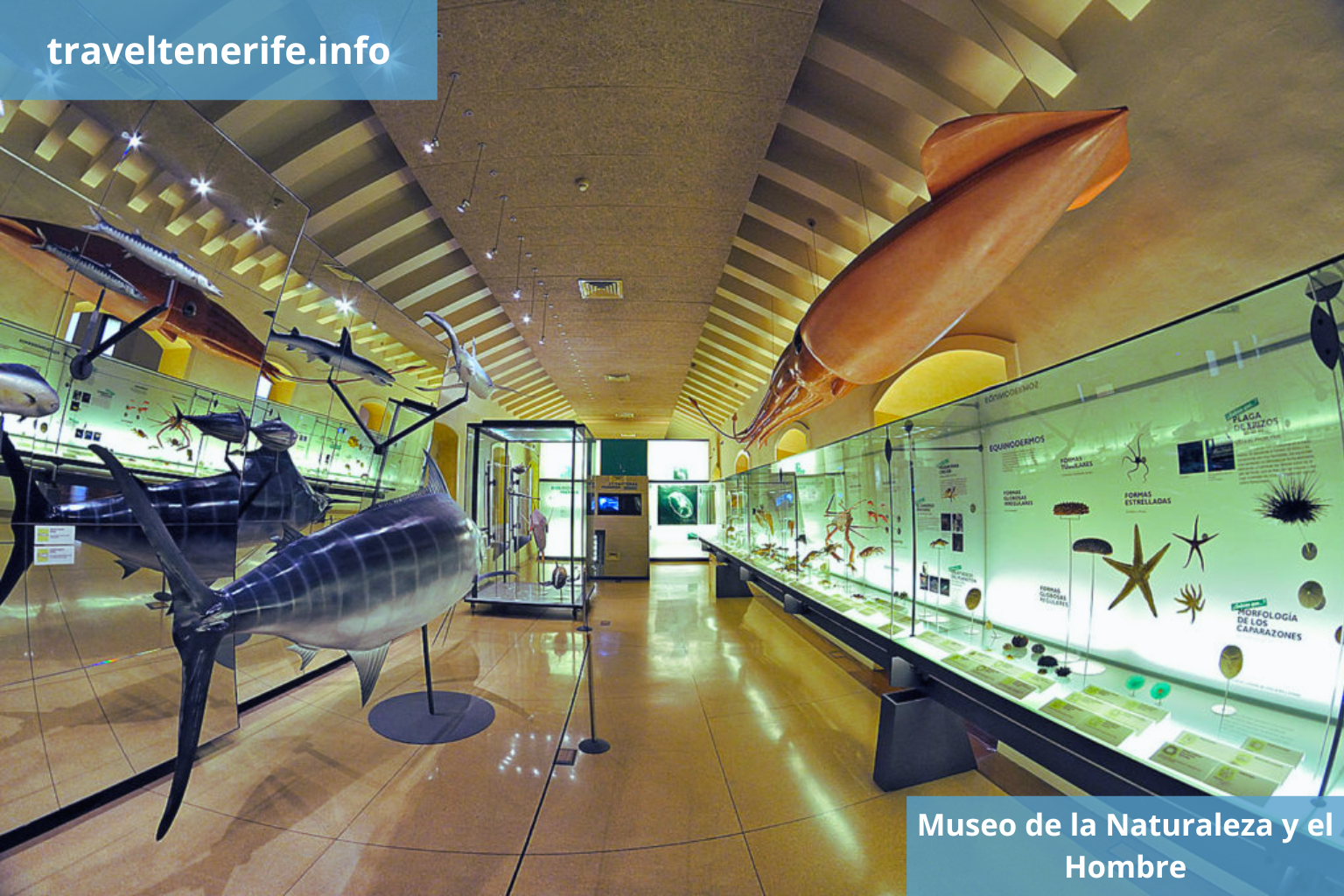
- Afternoon: Learn local art at Espacio Cultural CajaCanarias or the Aula de Espacio Cultural Aguere – these often have exhibitions. Alternatively, take a tram or bus to nearby Santa Cruz (15 min ride) for a quick visit to the Museo de la Naturaleza y el Hombre (natural history) or the harbor.
- Evening: Enjoy an early dinner at a go-to local spot (perhaps Menestralia for fusion tapas or Café 7 for casual fare). If you’re there in season, catch a concert at Aguere Cultural or a show at Teatro Leal. Otherwise, another night of tapas crawling and live music.
Day 3: Nature or Tour Excursion
- Option A (Anaga Mountains): Rent a car or take a guided tour to Anaga Rural Park (30–45 min north). Hike in the laurel forests and enjoy misty mountain scenery. Stop in the village of Taganana for sea views and a fresh tuna lunch. Return to La Laguna for a relaxing evening. (As TravelTenerife.info notes, Anaga’s trails and cloud forests are “must-visit Tenerife tour attractions”.)
- Option B (Teide National Park): Book a full-day excursion to Mount Teide. Tours depart from Santa Cruz/La Laguna; many include cable car and stargazing. Teide is a highlight of Tenerife (described as “a must-visit” volcanic peak). See the craters and panorama. This day is long but unforgettable.
- Option C (Relax & Shop): Spend the morning relaxing in a café, then finish shopping any souvenirs. Visit the palm-lined Plaza del Cristo or the leafy Plaza del Adelantado one more time. Enjoy a farewell meal at a traditional Canarian restaurant or tapas bar.
No matter the options, allow time to soak in La Laguna’s atmosphere. The city itself is the attraction: aimless wandering is highly rewarding here. If pressing for time, focus Day 3 on whichever interests you most (mountains or volcano).
Expanded Practical Travel Tips
- Getting Around: La Laguna is very walkable. Its historic core is pedestrianized or traffic-calmed. Note that it sits at ~550m elevation; the climate is a bit cooler and breezier than the coast. For farther trips, Tenerife’s TITSA buses link La Laguna with Santa Cruz, Puerto de la Cruz and other towns. Santa Cruz is just 10 minutes away by tram or bus. There is no Uber, but taxis are available and reasonably priced. Car rentals are an option if you want to explore rural areas or the rest of Tenerife on your own.
- Language: Spanish is the official language. In tourist areas people speak some English, but many locals (especially older ones) speak little. It’s courteous to learn a few Spanish phrases. (Travel advice notes “learning some basic Spanish phrases will help you communicate”.) Always greet shopkeepers with “Hola” or “Buenos días” – it’s considered polite.
- Currency and Banking: Tenerife uses the Euro. Credit and debit cards are widely accepted now, even in smaller cafés. (Always carry a bit of cash for tiny purchases in markets or as tips.) ATMs (cajeros) are common; avoid airport exchange bureaus (they charge high fees).
- Tipping: Service staff are paid well, so tipping is optional. However, locals often round up or leave small change. In a sit-down meal, a 5–10% tip is appreciated. In a café/bar, you can just leave spare coins on the table.
- Safety: Tenerife (and La Laguna) is very safe. Violent crime is almost non-existent. The main concerns are pickpockets in crowded places (always watch your belongings) and petty scams (overcharging tourists). After dark, stick to well-lit central areas.
- Internet & Phone: Mobile coverage is excellent on the island. Most businesses (cafés, restaurants, hotels) offer free Wi-Fi. You can easily buy a Spanish prepaid SIM (from Movistar, Orange, Vodafone, etc.) at the airport or in city shops. Hotel or apartment Wi-Fi will serve well for light use.
- Electricity: 230V (European plugs). No voltage difference for UK/EU travelers.
- Toilets: Public restrooms exist in major squares and some parks, often with a small fee (around €0.50). Most cafés will let you use their restroom if you’re a customer. In markets like Plaza del Cristo, you may find pay toilets. Tip: plan ahead, as you won’t find them on every street.
- Customs & Etiquette: Respect local customs. Dress modestly in churches (cover shoulders and knees). Don’t be overly loud on the streets. Spaniards tend to dine late (8–9pm for dinner), so restaurants may not fill up until after 8pm. Sunday afternoons and early Mondays are quiet (many shops close midday Sunday and some close Monday mornings). Spaniards often greet with a handshake or kiss on both cheeks among friends – just follow their lead.
- Weather: The climate is warm and sunny most of the year, though La Laguna’s elevation means it’s cooler than the coast. Summers are comfortable (highs around 25°C); winters are mild (lows ~8°C, highs ~18°C). Be prepared for occasional rain or clouds, especially in winter/spring. Always bring sun protection – sunscreen, hat, and sunglasses – year-round.
- Health: Tap water is drinkable. Pharmacies (“farmacias”) are plentiful and marked with green crosses; their 24-hour hours are rotated city-wide. No special vaccinations needed.
- Money: A daily budget in La Laguna can be modest. As one FAQ notes, Tenerife is generally inexpensive (meal out ~€10–€20, coffee ~€1–2). Shopping and dining here is cheaper than in tourist-packed South Tenerife resorts. Still carry enough cash for incidental small purchases.
Expanded Attractions and Restaurants
La Laguna offers a variety of attractions beyond its central squares. Here are some highlights and local favorite restaurants:
- Iglesia de la Concepción: A key landmark with a tall bell tower (climb 200 steps to enjoy panoramic views of the city and volcano). The church dates to the 16th century, and its tower and façade are emblematic of La Laguna’s skyline. Admission is minimal.
- Casa de los Capitanes (Cádiz House): A fine 18th-century palace in Plaza del Adelantado. Inside it has period furniture and a small museum of colonial-era artifacts. Its courtyard often hosts cultural events.
- Museo Militar del Mencey: A small military museum in an old fortress, showcasing the Spanish conquest of the Canary Islands.
- Convento de Santa Catalina / Museo de San Cristóbal: A former convent housing art and religious artifacts.
- Casa Lercaro: Now a Wine Museum, where you can taste Canarian wines in a historic mansion. It also hosts cultural events.
- Museo de la Ciencia y el Cosmos: Located in the old observatory, this interactive science museum (especially astronomy) is great for families and curious adults.
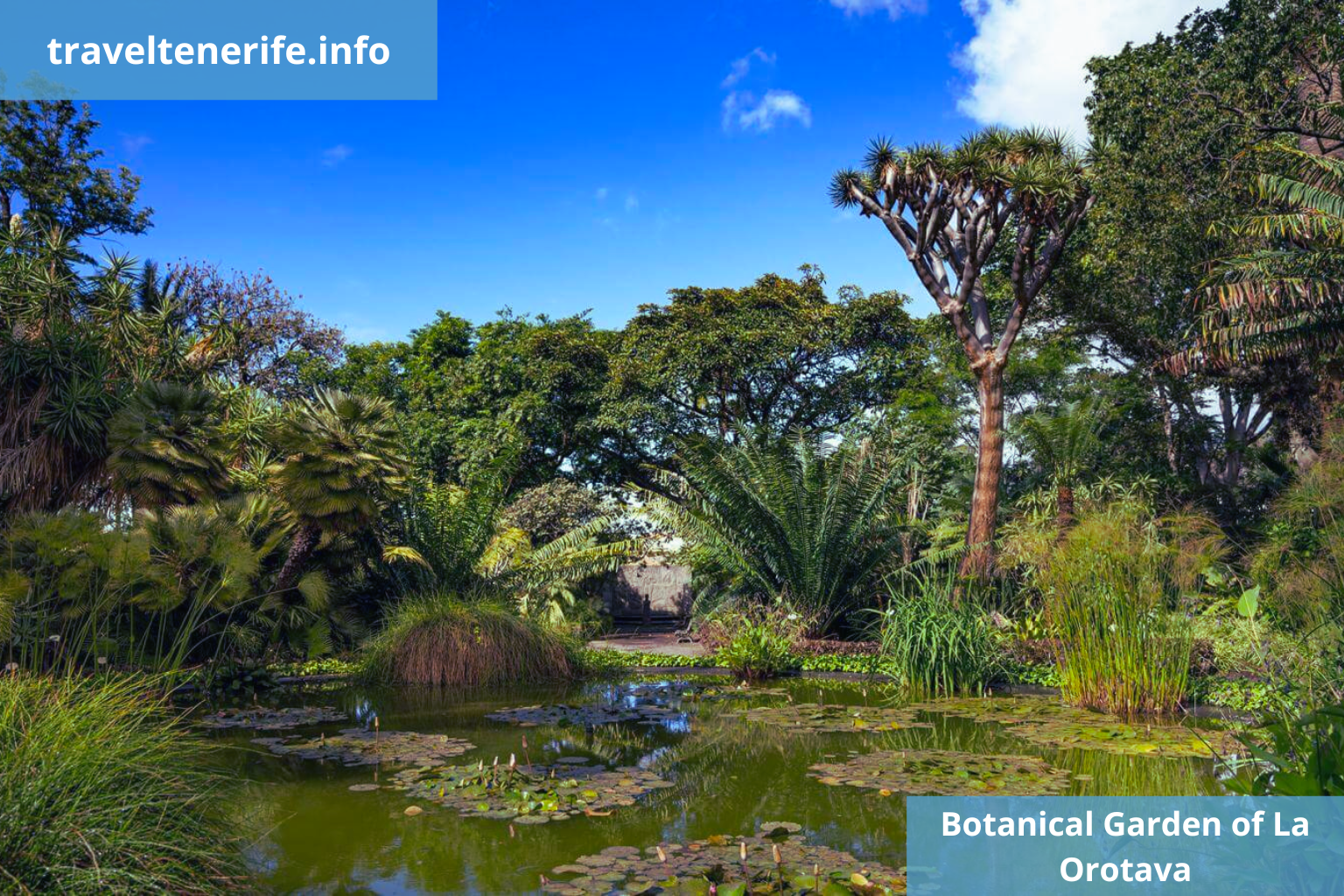
- Botanical Garden of La Orotava (Jardín de Aclimatación de La Orotava): Not in La Laguna proper, but nearby in Puerto de la Cruz – a collection of subtropical plants, palms, cacti, etc. Worth a half-day trip if you have wheels.
- Espacio Cultural Aguere: Mentioned under nightlife, during the day this cultural center (converted convent) often has art exhibits, a cafe/terrace, and a small museum of the Dominican convent.
Restaurants (some local favorites): La Laguna’s dining scene ranges from traditional Canarian to modern fusion. Some top picks:
- Café 7 (Calle El Juego, 7): A casual vegetarian-friendly cafe that also serves good coffee and brunch-style dishes.
- Tasca La Carpintería (Calle San Francisco): Small tapas bar with wood-decor interior. Try their croquettes, local cheeses and wines.
- Isleño Delgado Marisquería: Famous seafood restaurant; daily specials of grilled fish and shellfish. (It’s a bit pricey but excellent.)
- El Atrio (Plaza del Cristo, under arches): Traditional Canary/Spanish menu – stews, roasted meats and local beers on tap.
- Café Plaza Catedral: Beloved by locals for coffee, pastries, and simple lunches. A cozy spot right in the cathedral square.
- La Hormiga (La Hormiga)*: A hip cafe-bar known for coffee by day and cocktails by night. (TripAdvisor rates it highly.) Also a sweet spot for desserts.
- Etéreo by Pedro Nel: A fancy fine-dining option (book ahead) – creative tasting menus based on local ingredients.
- La Oliva de Canarias: Tasting menu of local Canarian cuisine in an elegant old building.
- La Abuelita la Maria: Rustic, budget-friendly place for hearty Canarian home cooking (papas, soups, grilled meats).
- Tasca 61 / Tasca Anita: Traditional canary-style little tapas bars, beloved by students.
Cuisine tips: Must-tries include queso de cabra (goat cheese), mojo picon sauces, bienmesabe (sweet almond cream), potaje de berros (watercress stew), and locally grown tomatoes and bananas. Look for restaurants that list “papas arrugadas con mojo” on the menu – often served with fish or meat.
What Tourists Say (Real Traveler Reviews)
Travelers to La Laguna consistently praise its authenticity and charm. Forum posts and reviews highlight the city’s friendly vibe and beauty. For example, one blogger writes that La Laguna “resembles cities in Latin America” and is a hidden gem known as “the most beautiful town on Tenerife”. Social media travelers often note how “colorful colonial houses line the streets” and how friendly the cafés are.
On Reddit, users describe La Laguna as “awesome, wonderful and I am speechless about the island”, recommending its night scene. One commenter specifically advises: “Go to the Cuadrilátero in La Laguna. It is an amazing place to have fun in the night. You can visit some pubs like Haring, Luz Oscura or Omnia”. Another notes “there are plenty of good places where people hang out before clubbing”, naming spots like El Rincón de Tintín, Espacio Cultural Aguere, and Café 7.
In summary, many visitors say:
“La Laguna surprised us with its beautiful historic center and laid-back atmosphere. The tapas here are great and every corner has a view worth taking a photo of.” – Travel forum user.
“We spent a weekend in La Laguna and loved it. The architecture is stunning and you can feel the university energy everywhere. The market (Mercado Municipal) had the best Canarian cheese and mojo sauce we’ve ever tasted!” – Online review.
Such reviews emphasize authentic local culture, friendly locals, and the joy of wandering the pedestrian streets at leisure. (We include these as paraphrased summaries from traveler comments.)
FAQ – La Laguna Tenerife Practical Info
Q: What’s the weather like?
A: La Laguna enjoys mild weather year-round. Summers (June–Sept) are warm (daytime highs 24–25°C) with little rain. Winters (Dec–Feb) are cooler, with lows around 8–10°C and daytime highs ~18°C. Light rain showers mostly occur Nov–Feb. Being on higher ground, La Laguna is often a few degrees cooler than coastal resorts, so pack a light jacket or sweater for evenings even in summer.
Q: How do I get around?
A: The city center is pedestrian-only, so you’ll do most sightseeing on foot. For sights farther away (like Anaga or other towns), you can take buses (TITSA) – e.g. bus 014 goes from the main station (in the north part of the old town) to Santa Cruz in 20 min. There’s also a tram line linking La Laguna with Santa Cruz. Taxis are available and inexpensive for short hops. If exploring the island, renting a car is convenient (parking near the old town can be tricky, so plan to park just outside and walk in). Uber and rideshares do not operate here.
Q: Is La Laguna safe?
A: Yes. Tenerife has very low crime rates. La Laguna is considered very safe even at night. As in any city, just keep an eye on belongings in crowded areas and use normal street smarts. There are no serious dangers (no earthquakes or volcanoes in town!). The biggest hazard is probably the steep cobbled streets when wet – wear good shoes.
Q: What is the budget like?
A: La Laguna is generally affordable. You can find meals from €8–15; a coffee is around €1.50; a beer €2–3. Accommodation ranges from budget guesthouses to mid-range hotels. Overall, Tenerife is considered a “cheap place to visit” in Europe. Still, prices rise a bit in high season (summer and holidays). Plan on at least ~€50–€70/day per person for moderate dining, attractions and small purchases.
Q: What language do people speak?
A: Spanish (Castilian) is the official language. Most signs and menus are in Spanish, though important ones often have English and sometimes German. Many younger people and those in the tourism industry speak English well. Locals have a distinct Canary Islands accent (similar to Latin American). It’s very helpful to know basic Spanish greetings (hola, por favor, gracias). One travel tip advises “learn some basic Spanish phrases” since outside tourist spots, English can be limited.
Q: Any health/safety tips?
A: No special vaccinations are required. Tap water is drinkable. Sunscreen and a hat are recommended anytime you’re outside (the sun can be strong even in winter). Pharmacies (farmacias) are clearly marked. Police and tourist help are trustworthy. Carry travel insurance as usual, but the island’s medical services are modern.
Q: What’s the currency?
A: Euro (€). ATMs (cajeros automáticos) are everywhere. Credit cards are widely accepted, but it’s wise to carry some cash, especially for market stalls or small cafés. Many vendors do not accept foreign currency (stick to euros).
Q: How’s the internet & phone service?
A: Excellent. Spain has 4G (and expanding 5G) coverage island-wide. Many bars, cafes, and squares offer free Wi-Fi to customers. You can also buy a prepaid SIM card for your phone at the airport or a local mobile shop (ID usually required). Roaming charges from EU SIMs no longer apply (EU citizens roam for free).
Q: Can I plug in my electronics?
A: Yes. Spain uses 230V/50Hz and Type C/F plugs – the same as most of Europe and the UK (with an adapter for older UK plugs). USB chargers are very common in hotels and cafes.
Q: What local customs should I know?
A: Spaniards tend to dine late (lunch at 2pm, dinner at 9pm or later). Dinner portions can be large, so it’s common to share tapas or to have a late light snack. Always greet shopkeepers and servers with a polite “buenas” or “buenos días/noches”. Dress is casual. When visiting churches or religious sites, dress modestly (shoulders and knees covered). Tipping is modest – as noted, rounding up a bill or leaving 5–10% is courteous in restaurants.
Q: What about holidays and opening hours?
A: Many businesses close for lunch (2–4pm) and stay open until 8pm or later. Sundays and public holidays see limited opening hours; many shops close Sunday afternoon and all day Sunday (but restaurants usually open for lunch). Check festival dates in advance – the city goes quiet during major religious events (cathedral closed during processions).
Conclusion: Why La Laguna Is a Must-Visit in Tenerife
San Cristóbal de La Laguna is far more than just a historic city — it’s the cultural soul of Tenerife. With its UNESCO-listed old town, colorful colonial architecture, vibrant student life, and deep-rooted Canarian traditions, La Laguna offers a truly authentic experience that many coastal resorts can’t match. Whether you’re wandering its quiet cobbled streets, sipping barraquito in a leafy plaza, exploring centuries-old churches, or dancing until dawn in the Cuadrilátero, this city leaves a lasting impression on every traveler.
The weather in La Laguna Tenerife is pleasant year-round, making it a fantastic destination in any season — cooler than the south but still sun-drenched. From the La Laguna Gran Hotel Tenerife to boutique inns and charming B&Bs, the city offers excellent accommodation to match every budget. Food lovers will enjoy hopping between the best restaurants in La Laguna Tenerife, sampling traditional Canarian dishes and local wines. And with its compact layout and well-connected location, La Laguna is also a great base for exploring the wider island — from Anaga’s misty mountains to Teide’s volcanic vistas.
But perhaps what truly sets La Laguna apart is its spirit. This is a city that proudly balances history and modernity. It’s where ancient romerías and world-class science museums exist side-by-side. Where students mingle with artisans, and every square tells a story. As many travelers have discovered — and countless reviews confirm — La Laguna is not just a destination; it’s an experience that reveals the real Tenerife.
Whether you come for a day trip, a weekend getaway, or a full cultural immersion, you’ll find that La Laguna is one of the most rewarding places to visit in Tenerife. Friendly, walkable, and endlessly photogenic — it’s a city that welcomes you with open arms and invites you to slow down, look closer, and savor the details.
Start planning your visit now — and for more local travel inspiration, maps, and event guides, be sure to check traveltenerife.info.