Why Ferry Travel Between the Islands Is More Than Just Transportation
Looking to explore more of the Canary Islands without taking to the skies again? The ferry Gran Canaria Tenerife route offers not only a practical way to island-hop, but also a memorable part of your travel experience. Whether you’re visiting for a short escape or planning a multi-island adventure, traveling by ferry from Tenerife to Gran Canaria (or vice versa) is one of the most scenic and flexible options available.
Instead of rushing through airports and waiting at baggage carousels, imagine boarding a sleek catamaran where you can relax with an ocean view, bring your rental car onboard, and enjoy a smooth ride between two of Spain’s most iconic islands. The ferry Tenerife Gran Canaria route is fast, reliable, and surprisingly comfortable.
Why choose a ferry over a flight? It’s not just about price. Ferries allow you to move at your own pace, carry more luggage without airline restrictions, and often bring along your vehicle — ideal for road trippers, families, and locals commuting between islands.
Travelers consistently praise the experience online. One user on TripAdvisor shared:
“I took the Fred Olsen ferry from Gran Canaria to Tenerife and it felt more like a mini-cruise than just transport. Super comfy seats, great service, and stunning views all the way!”
Why Choose a Ferry Between Tenerife and Gran Canaria?
Choosing the ferry from Tenerife to Gran Canaria — or the reverse — is about more than just getting from point A to B. It’s about turning your transfer into an experience. For many travelers, ferries are the preferred option for flexibility, affordability, and enjoyment, especially when compared to inter-island flights.
Here’s why thousands of passengers each month opt for the ferry Tenerife Gran Canaria route:
Take Your Car (or Bike) With You
One of the most compelling reasons to take the ferry is the ability to bring your own vehicle. Unlike planes, ferries operated by Fred. Olsen Express and Naviera Armas are equipped with roll-on/roll-off car decks. This is a game-changer for road trip lovers and families wanting to explore without the hassle of renting two vehicles on different islands.
“We took our rental car with us on the ferry and it was totally worth it — didn’t have to repack or stress about taxis on the other end,” – user on ForoCoches
Enjoy a Scenic Ride, Not a Cramped Flight
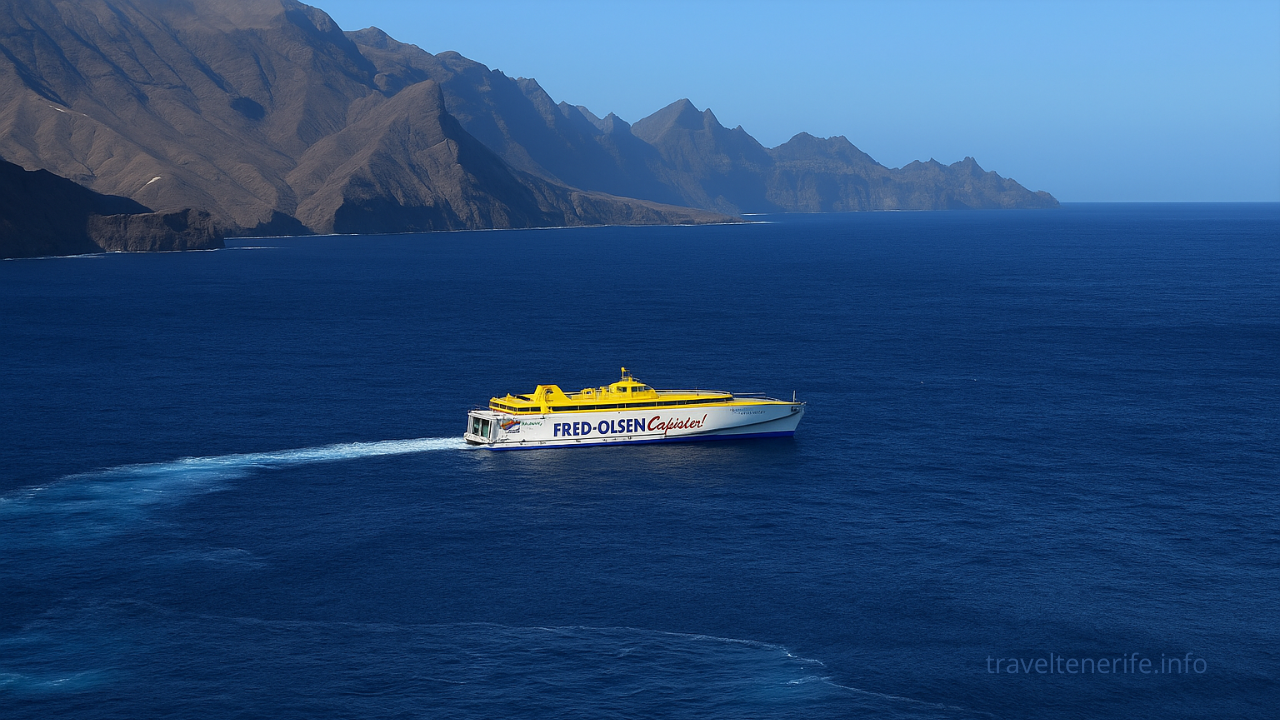
With comfortable seating, panoramic windows, onboard cafes, and even VIP lounges, traveling by ferry feels more like a mini cruise than a commuter service. The journey between Santa Cruz de Tenerife and Agaete (Gran Canaria) is especially scenic, offering unobstructed views of the Atlantic Ocean and both islands’ volcanic silhouettes.
The crossing typically takes between 1 hour 20 minutes and 2.5 hours, depending on the route and operator — making it both efficient and visually rewarding.
Relaxed Luggage Allowance
No weighing bags. No paying for every extra kilo. On ferries, generous luggage allowances are the norm, and policies are far more relaxed than airlines. For families or long-stay travelers, this can lead to real savings.
Less Stress, More Flexibility
Unlike air travel, where delays and strict security checks can sap your energy, ferry terminals are generally calmer and quicker to navigate. You can arrive 30–60 minutes before departure, walk or drive straight onboard, and avoid the rush.
Add to this frequent daily departures — especially on the Santa Cruz–Agaete route — and it becomes one of the most flexible ways to travel in the Canaries.
Ideal for Families and Groups
Many families appreciate the freedom ferries offer: space to move around, access to food and restrooms, and the ability to carry toys, strollers, or beach gear without restriction.
“Much more comfortable than flying with a toddler. The ferry had a baby changing room and even cartoons playing in the lounge,” – review on Booking.com
Better for Island-Hopping Itineraries
Planning to visit multiple islands? Ferries can simplify your travel logistics. From Gran Canaria, you can connect by ferry to Lanzarote, Fuerteventura, and La Palma, making it easier to build custom itineraries with fewer flights and more flexibility.
Top Ferry Routes and Operators Between Tenerife and Gran Canaria
There are two primary ferry routes connecting Tenerife and Gran Canaria, served by two major operators. Whether you prioritize speed, comfort, price, or departure location, understanding the differences between each route is key to planning your trip.
This section breaks down everything you need to know about the two main ferry lines, including duration, departure ports, operator services, and what makes each option unique.
Overview of the Routes
| Route | Departure Port (Tenerife) | Arrival Port (Gran Canaria) | Operator(s) | Duration |
|---|---|---|---|---|
| Route 1 | Santa Cruz de Tenerife | Agaete | Fred. Olsen Express | ~1 hr 20 min |
| Route 2 | Santa Cruz de Tenerife | Las Palmas de Gran Canaria | Naviera Armas | ~2 hr 30 min |
Route 1: Santa Cruz de Tenerife to Agaete (Fred. Olsen Express)
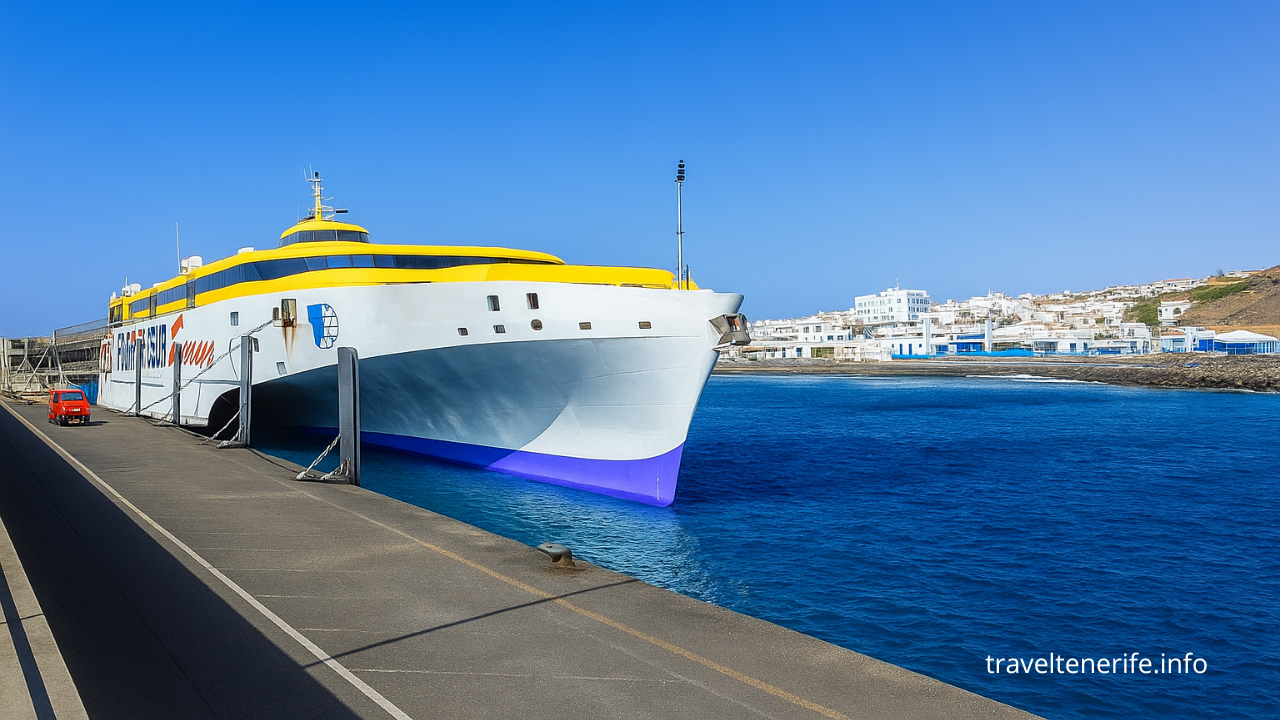
This is the fastest ferry route between Tenerife and Gran Canaria, making it ideal for travelers looking to minimize travel time. Operated exclusively by Fred. Olsen Express, this line uses high-speed trimaran vessels that make the crossing in approximately 1 hour 20 minutes.
Departures are frequent, with up to 8 daily sailings during high season. The ferry departs from Santa Cruz de Tenerife Port, a well-connected hub in the island’s capital, and arrives in Puerto de las Nieves, Agaete, a charming coastal town on the northwest coast of Gran Canaria.
Key Features:
- High-speed trimarans
- Comfortable seating areas and VIP lounges
- Cafeteria and snack bar onboard
- Free Wi-Fi on most vessels
- Suitable for both passengers and vehicles
“We were in Gran Canaria before we even finished our coffee. Super smooth and quick. Highly recommend Fred. Olsen if you’re heading to Agaete,” – user on TripAdvisor
Route 2: Santa Cruz de Tenerife to Las Palmas de Gran Canaria (Naviera Armas)
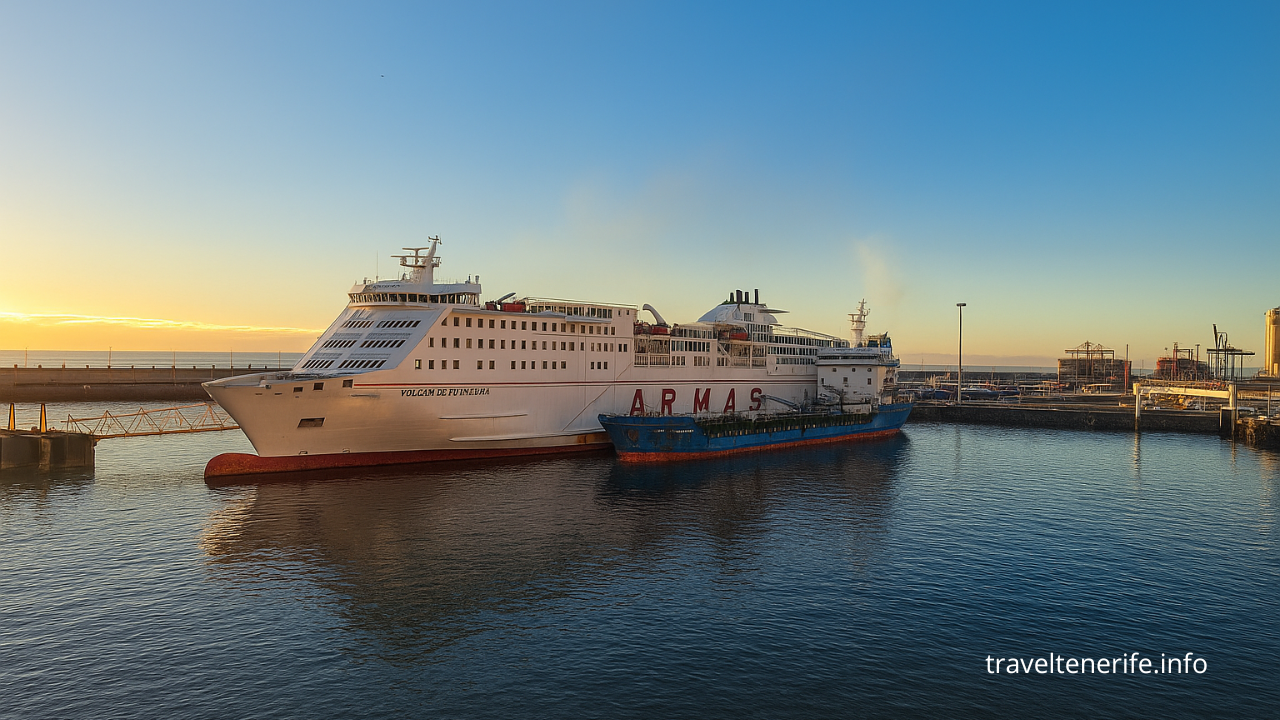
If you’re heading directly into Gran Canaria’s capital or need access to the southeastern part of the island, this longer route operated by Naviera Armas is a strong option. Travel time is approximately 2 hours 30 minutes, but it may vary slightly depending on the vessel.
Naviera Armas offers a more traditional ferry experience, with larger ships that include multiple lounges, bars, a full cafeteria, outdoor decks, and cabins for resting.
This line departs from the same port in Santa Cruz, but docks at Puerto de La Luz in Las Palmas, which is well-connected to hotels, city attractions, and the island’s bus network.
Key Features:
- More relaxed pace
- Large open decks and indoor lounges
- Onboard cafeteria with hot meals
- Family-friendly facilities
- Cabins available on select sailings
- Vehicle transport included
“Armas took a bit longer, but we enjoyed being able to walk around the deck and take in the views. The cafeteria food was surprisingly good too,” – review on Google Maps
Ferry Frequency and Flexibility
| Operator | Route | Departures/Day | Vehicle Transport | Online Booking |
|---|---|---|---|---|
| Fred. Olsen | Santa Cruz – Agaete | 6–8 | Yes | Yes |
| Naviera Armas | Santa Cruz – Las Palmas | 1–2 | Yes | Yes |
In general, Fred. Olsen offers more frequency and speed, while Naviera Armas provides a more traditional, spacious journey. Both services are reliable and offer modern amenities, but your ideal route depends on your destination on Gran Canaria and personal preferences.
How to Book Your Ferry: Tips, Platforms, and Insider Advice
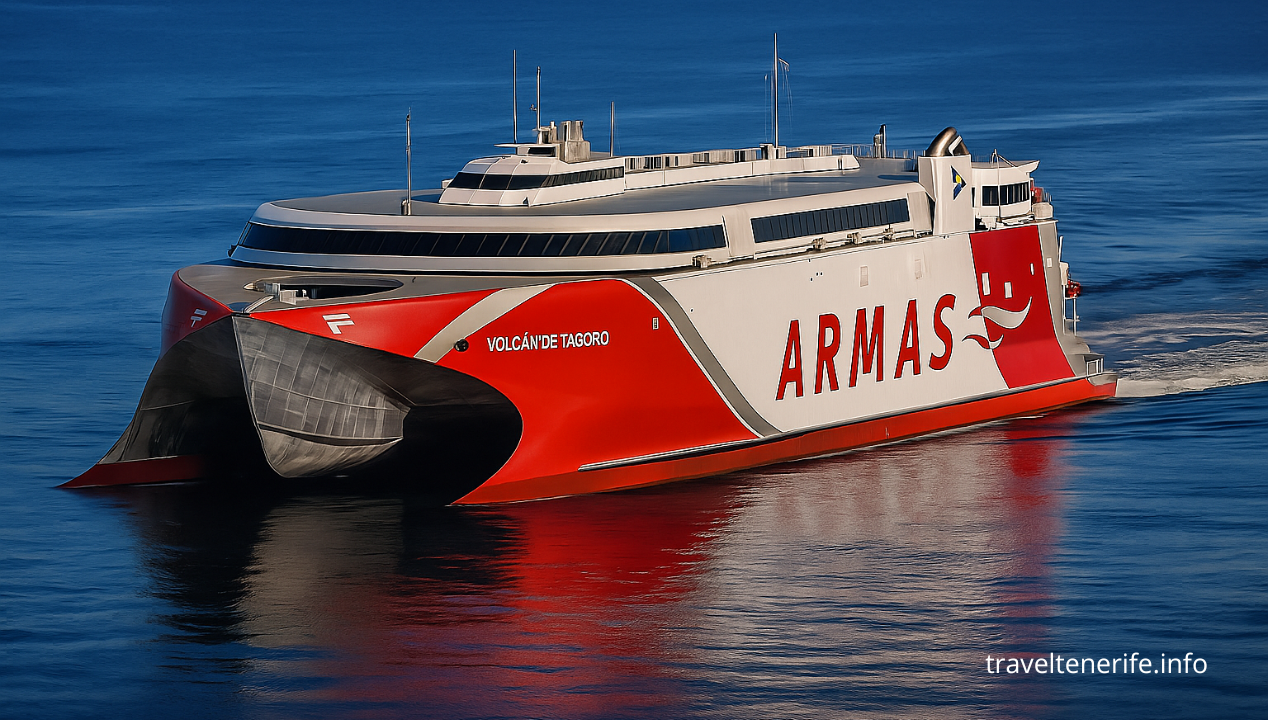
Booking a ferry from Tenerife to Gran Canaria (or vice versa) is a straightforward process, but knowing where to look and how to compare can help you save time and money. In this section, we’ll cover the most reliable ways to book, potential discounts, platforms to avoid, and common user experiences to make your reservation smooth and stress-free.
1. Official Websites of Ferry Operators
The two main ferry operators — Fred. Olsen Express and Naviera Armas — both allow direct online booking through their official websites. This is often the best place to find real-time schedules, seat availability, and pricing options. It’s also where you’ll find resident discounts, vehicle transport add-ons, and cabin upgrades.
Both sites offer:
- English-language versions
- E-ticket generation via email
- QR-code boarding (no printing required)
- Special offers for early bookings
“Booked direct on Fred Olsen’s site and everything was seamless. Got our QR code by email and just scanned it at boarding,” – user on Reddit
2. Third-Party Booking Platforms
In addition to official websites, ferry tickets can be booked through aggregator platforms like:
- DirectFerries
- Ferryhopper
- Omio
- Trasmediterranea (for connecting routes)
These platforms are particularly helpful when you’re planning multiple legs across different islands, or want to compare ferries Tenerife Gran Canaria side by side in terms of schedule and price. Be aware that service fees may apply.
3. In-Person at Ferry Terminals
Both ports in Santa Cruz de Tenerife and Las Palmas de Gran Canaria (as well as Agaete) have on-site ticket offices. You can purchase your Tenerife Gran Canaria ferry tickets on the day of departure, subject to availability. This is convenient but not recommended in peak season, as ferries can fill up — especially those carrying vehicles.
4. Travel Agencies and Local Tour Desks
On both islands, especially in resort areas like Playa de las Américas and Maspalomas, local travel agencies often offer ferry tickets as part of packages or with discounts for groups. Some bundle ferry crossings with excursions or hotel pickups.
This can be an excellent choice for:
- Non-Spanish-speaking travelers wanting assistance
- Day trips between islands
- Group travelers
5. Resident Discounts and Promotional Fares
If you’re a Canary Islands resident, you are entitled to substantial discounts — often up to 75% off — on inter-island ferry routes. Simply present your residency certificate (Certificado de Residencia) at booking.
Fred. Olsen and Naviera Armas also run seasonal promotions for:
- Round-trip bookings
- Families
- Early-bird specials
- Off-season travel (November–February)
Sign up for their newsletters or check promo sections on their websites.
“We paid half the price thanks to a November promo code. Great value for two adults with a car,” – user on Facebook
6. Payment Methods and Flexibility
Most platforms accept:
- Major credit/debit cards
- PayPal
- Bizum (on Spanish sites)
Refund and reschedule policies vary. Fred. Olsen allows flexible changes with a small fee, while Armas often offers cheaper non-refundable fares for budget-conscious travelers.
7. Booking Tips and Best Practices
- Book in advance if you’re traveling with a car or during holidays.
- Compare both operators — sometimes price differences are significant.
- Watch for luggage rules, especially for foot passengers — check limits if carrying oversized items.
- Print your ticket or use a digital copy — both are accepted, but having a backup is wise.
- Allow time at the port: arrive at least 45–60 minutes before departure, especially with a vehicle.
Onboard Experience: What to Expect During Your Ferry Journey
One of the main reasons travelers choose a ferry from Gran Canaria to Tenerife — or in the opposite direction — is the quality of the onboard experience. Ferries between these two islands are modern, well-equipped, and designed to make the journey feel like part of the holiday rather than just a means of transport.
Here’s what you can typically expect once you’re on board.
Seating Options: From Economy to VIP Lounges
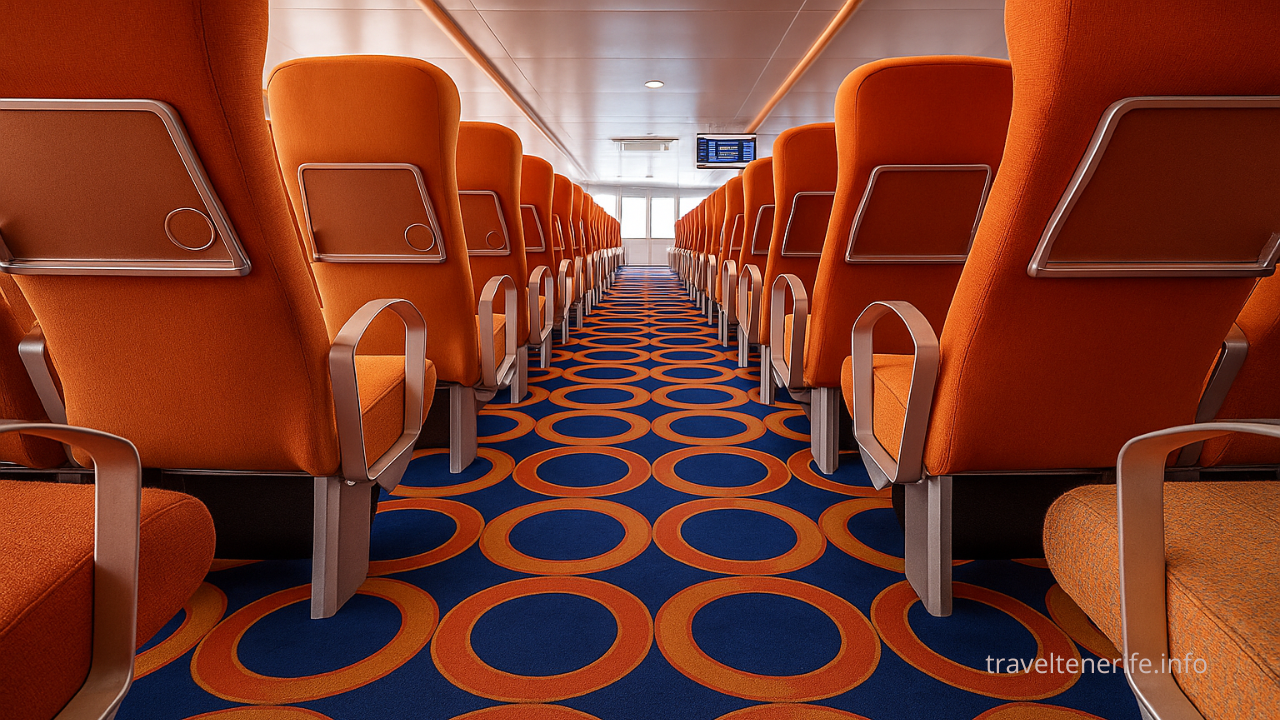
Both Fred. Olsen Express and Naviera Armas offer multiple seating categories. Most standard tickets include assigned, airline-style seats with plenty of legroom. Upgrading to premium or “Gold Class” gives you access to quieter lounges, larger reclining chairs, and complimentary drinks or snacks.
“We went with the VIP upgrade on Fred Olsen. Totally worth it — quiet cabin, great sea views, and free coffee,” – user on TripAdvisor
Food and Beverages
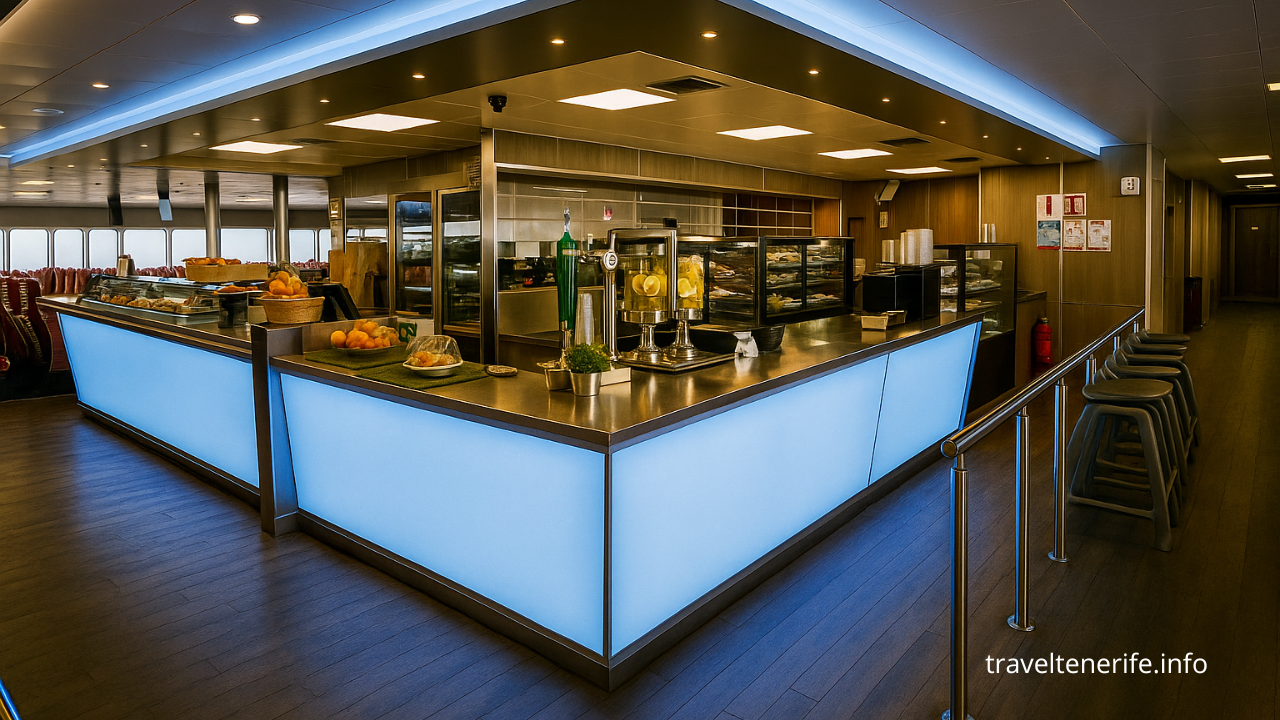
All ferries running the Tenerife Gran Canaria ferry route are equipped with cafeterias or snack bars. You’ll find:
- Hot and cold drinks
- Sandwiches and light meals
- Breakfast options (on early morning sailings)
- Snacks and baked goods
Prices are reasonable, and service is generally fast. Naviera Armas tends to offer more extensive hot meal options, especially on longer crossings.
Entertainment and Connectivity
You won’t find cinemas or arcades on these crossings, but several features help pass the time:
- Free Wi-Fi is available on most Fred. Olsen vessels, though signal quality can vary mid-route.
- Screens in lounges often display live maps, news, or kids’ shows.
- Outdoor viewing decks allow for fresh air and photo opportunities.
“Wi-Fi was a bit spotty but enough for checking messages and posting some pics. Watching the ocean from the deck was the real entertainment,” – review on Google
Luggage Storage and Accessibility
For foot passengers, large luggage is typically stored in designated racks near the boarding ramp. Smaller bags can be taken to your seat. There are no baggage weight checks unless your items are oversized.
Accessibility features include:
- Wheelchair ramps and lifts on newer vessels
- Accessible bathrooms
- Priority boarding for reduced-mobility passengers
Both companies meet EU maritime accessibility standards.
Pets Onboard
Traveling with a pet? Both ferry operators allow pets under the following conditions:
- Dogs and cats can travel in pet carriers or designated pet areas
- Some ferries include pet-friendly cabins or deck kennels (check availability)
- Owners must present vaccination certificates
It’s best to book pet spaces early, especially during summer months when availability is limited.
Kids and Families

Families traveling the ferry from Tenerife to Gran Canaria will find onboard facilities very accommodating. Most vessels have baby changing tables, stroller-friendly corridors, and televisions showing children’s programs.
“Traveling with a toddler was so much easier on the ferry than flying. She could move around, we had snacks, and there was a changing table in the bathroom.”
General Atmosphere: Clean, Calm, and Comfortable
Ferry interiors are generally modern and well-maintained. Cleaning staff are active between crossings, and most travelers note that spaces feel clean and organized.
Noise levels are lower than on budget airlines, and the ability to move around — stretch your legs, step outside, or sit at a table — makes the journey feel less confined.
Taking a Car on the Ferry: What You Need to Know
One of the most popular features of the ferries Tenerife Gran Canaria route is the ability to travel with your vehicle. Whether you’re bringing your own car, motorcycle, van, or even a bicycle, ferry transport between the islands is well-equipped to handle it.
This section explains how the process works, what to expect, and key considerations before you roll your wheels onboard.
Why Bring Your Vehicle?
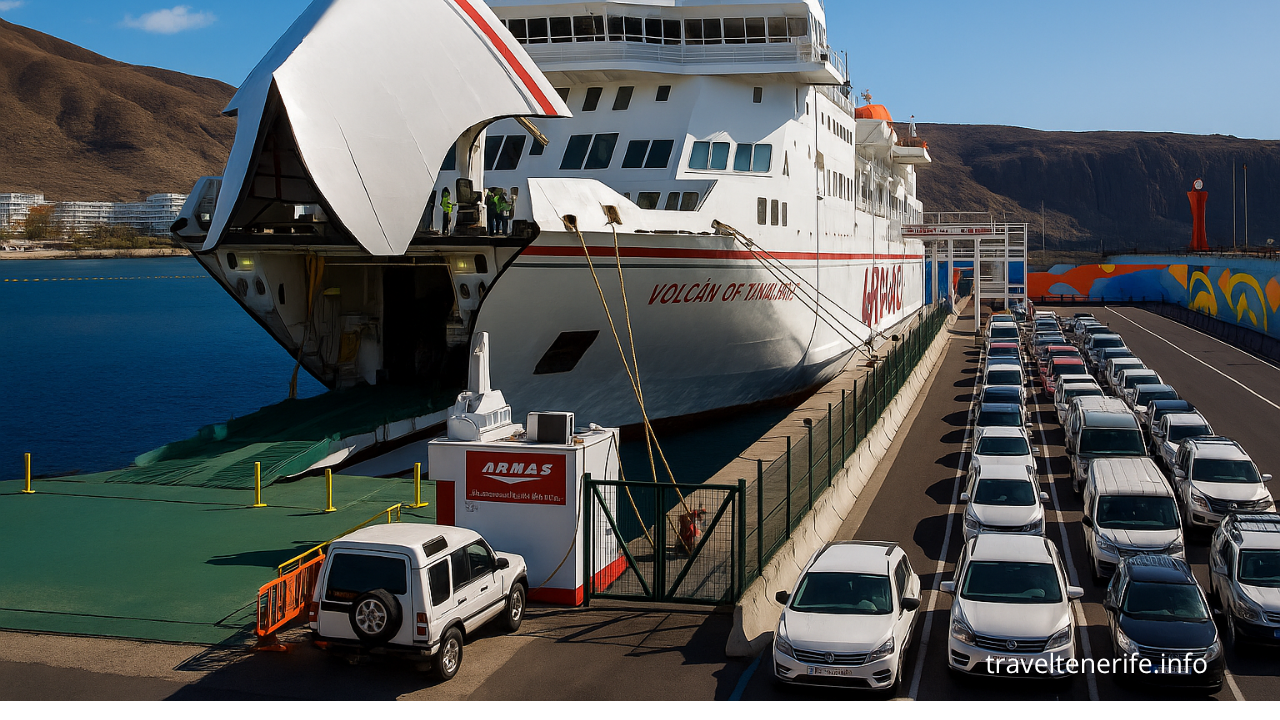
Bringing your own vehicle on the ferry from Gran Canaria to Tenerife (or the reverse route) can significantly enhance your flexibility once you arrive. You’ll avoid the hassle and cost of renting another car, and you can travel with everything you need — luggage, surfboards, camping gear, or even pets.
“We packed our bikes, tent, and cooking gear and just drove onto the ferry. So much freedom when we got to Tenerife,” – review on Wikiloc
For locals and long-term visitors, vehicle transport is a huge advantage.
How Vehicle Boarding Works
- Booking Your Spot:
When booking tickets online, simply select the option to include a vehicle. You’ll need to specify:- Vehicle type (car, van, motorcycle)
- Length and height (especially for larger vans or campers)
- License plate (can often be added later)
- Arriving at the Port:
Arrive at least 60–90 minutes before departure when traveling with a vehicle. You’ll be guided to a designated vehicle queue. - Boarding Procedure:
Once the ship is ready, port staff will guide you into the cargo deck. The process is straightforward, and ferries are designed for safe, efficient loading. - Disembarking:
On arrival, follow staff instructions and drive off — usually within 10–15 minutes after docking.
Vehicle Pricing: What Does It Cost?
Prices vary depending on the vehicle size, season, and operator. Here’s a general idea for a one-way fare with a standard car:
| Operator | Route | Passenger + Car | Estimated Price |
|---|---|---|---|
| Fred. Olsen | Santa Cruz – Agaete | €85 – €110 | Includes driver |
| Naviera Armas | Santa Cruz – Las Palmas | €80 – €100 | Includes driver |
Extra passengers pay additional fees. Bikes are often free or cost under €10.
Pro Tip: Round-trip bookings usually offer better value than one-way tickets.
Rental Cars and Ferry Travel
If you’re using a rental car, check the company’s policy first. Some allow inter-island travel, while others explicitly forbid it.
Rental companies that usually allow inter-island ferry use (with prior approval):
- Cicar
- Cabrera Medina
- TopCar
Rental companies that typically prohibit ferry travel:
- Hertz
- Avis
- Goldcar (unless booked with inter-island permission)
“We used Cicar and they were great — they even encouraged us to take the ferry and explore Gran Canaria by car,” – user on TripAdvisor
Always ask in writing and ensure it’s reflected in your rental agreement. If you’re not allowed to ferry a rental, consider picking up a new car at your destination.
Special Cases: Motorhomes, Campers, and Commercial Vehicles
Larger vehicles like campers and vans are welcome on most ferry routes, but availability can be limited during peak times. You must indicate dimensions accurately during booking. Commercial trucks may require separate arrangements.
Ferry Ports in Detail: Santa Cruz, Agaete, and Las Palmas
To make the most of your ferry Gran Canaria Tenerife journey, it’s important to understand where the ferries depart and arrive. The port you choose will impact your travel time, convenience, and even your overall itinerary. This section details the three main ports involved in the ferry routes: Santa Cruz de Tenerife, Agaete, and Las Palmas de Gran Canaria.
We’ll also include interactive map references to help you visualize where you’ll be departing from or arriving.
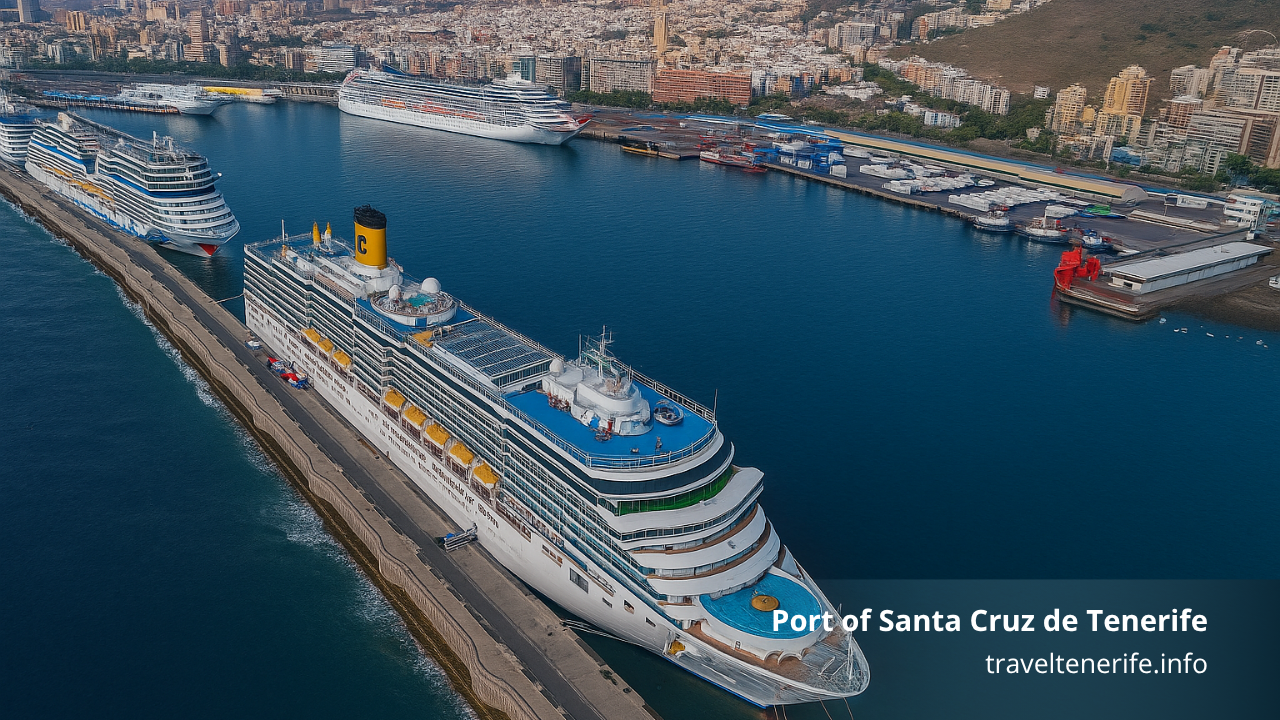
Port of Santa Cruz de Tenerife
Main Routes Served:
- Santa Cruz → Agaete (Fred. Olsen Express)
- Santa Cruz → Las Palmas (Naviera Armas)
Overview:
Santa Cruz is the capital of Tenerife and one of the most accessible ports in the Canary Islands. It’s a full-scale port with multiple ferry terminals, cruise ship docks, and passenger services.
Located in the northeast of Tenerife, this port is well connected by:
- The TF-5 motorway
- Local buses (TITSA lines from south and north)
- Taxi services and car rentals
Facilities:
- Indoor waiting lounges
- Cafés and vending machines
- Restrooms and accessible toilets
- Short-term and long-term parking
Pro Tip:
If you’re staying in Playa de las Américas, Costa Adeje, or Los Cristianos, you’ll need to allow approximately 50–60 minutes by car or bus to reach Santa Cruz.
Port of Agaete (Puerto de las Nieves)

Main Route Served:
- Agaete ←→ Santa Cruz (Fred. Olsen Express)
Overview:
Located on the northwestern coast of Gran Canaria, Agaete is a smaller and quieter port than Las Palmas. It’s ideal for travelers seeking a relaxed, scenic arrival point. Though smaller, it’s very efficient and handles hundreds of passengers per day.
Access:
- 35 minutes by car from Las Palmas city center
- Regular bus routes from the capital (Global Bus lines)
Facilities:
- Open-air boarding area
- Café, small shop, and waiting lounge
- Car rental kiosk (limited availability)
- Taxi stand and public bus stop
Ideal For:
Travelers heading to Puerto de las Nieves, Gáldar, or the northwest coast of Gran Canaria.
Port of Las Palmas (Puerto de La Luz)
Main Route Served:
- Las Palmas ←→ Santa Cruz (Naviera Armas)
Overview:
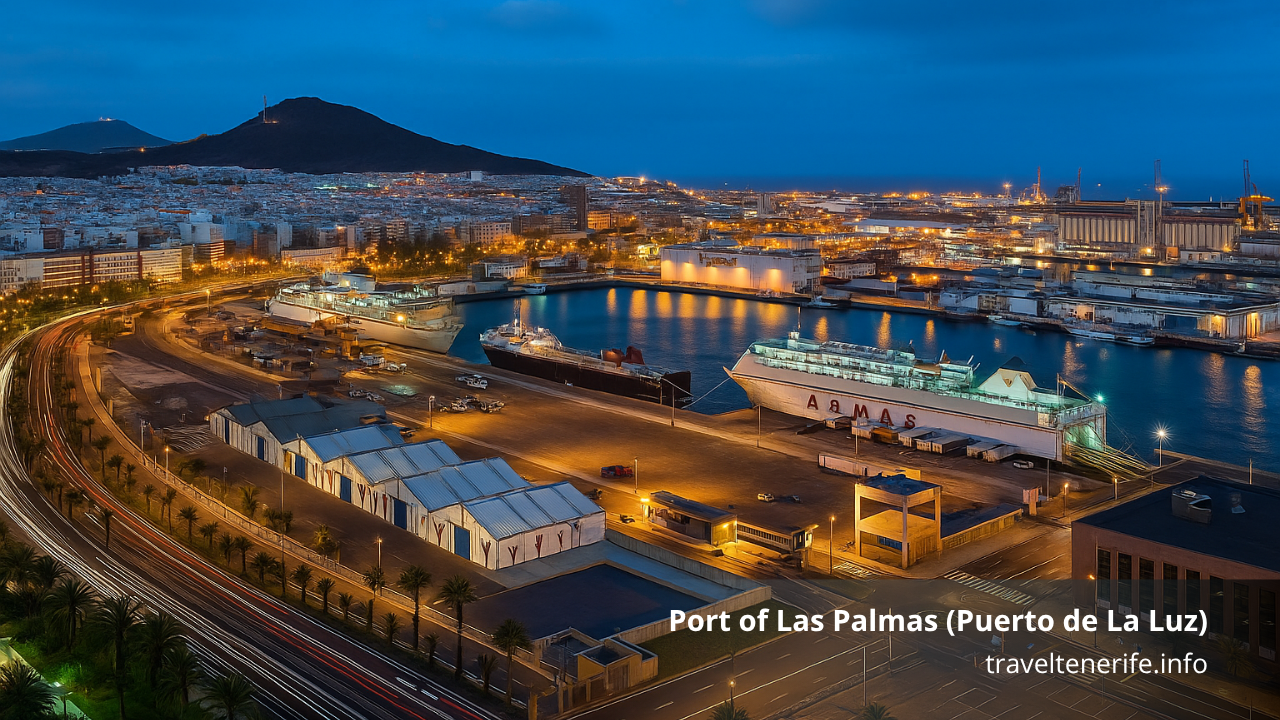
Las Palmas is the capital of Gran Canaria and the largest port in the Canary Islands. Ferries arriving here dock at Puerto de La Luz, which is part of a massive harbor complex that also serves cargo ships, cruise liners, and local ferries.
Access:
- Located in the heart of Las Palmas
- Easy connection to GC-1 motorway
- Local buses (Guaguas Municipales) and intercity connections
Facilities:
- Multiple waiting lounges
- Baggage services
- Ticket counters for various operators
- Shops, restaurants, and ATMs nearby
Best For:
Travelers staying in Las Palmas, Telde, or planning to head south via Maspalomas or San Agustín.
Ferry Schedules and Pricing Overview
If you’re planning a trip between Tenerife and Gran Canaria, understanding ferry timetables and pricing is essential. Whether you’re a local resident or a tourist traveling with or without a vehicle, this section outlines everything you need to know about the current ferry Tenerife Gran Canaria schedules, travel durations, and ticket costs.
Average Timetables and Travel Time
There are two main ferry routes between Tenerife and Gran Canaria, operated by Fred. Olsen Express and Naviera Armas.
| Route | Operator | Duration | Departures/Day | Notes |
|---|---|---|---|---|
| Santa Cruz → Agaete | Fred. Olsen Express | ~1 hr 20 min | Up to 8 | Fastest route |
| Santa Cruz → Las Palmas | Naviera Armas | ~1 hr 35–1 hr 40 min | 5–6 | Good for Las Palmas city arrivals |
| Agaete → Santa Cruz | Fred. Olsen Express | ~1 hr 20 min | Up to 8 | Same as outbound |
| Las Palmas → Santa Cruz | Naviera Armas | ~1 hr 35–1 hr 40 min | 5–6 | Similar return schedule |
Departures run from early morning until late afternoon. Evening crossings are also available on select days. The fastest journey is the Fred. Olsen Express line between Santa Cruz and Agaete, using high-speed catamarans.
Updated Ferry Prices (Foot Passengers & Vehicles)
Ticket costs vary based on the operator, date, and whether you’re booking with or without a vehicle.
| Operator | Route | Foot Passenger (One Way) | Car + Driver (One Way) | Children (3–11) | Infant (0–2) |
|---|---|---|---|---|---|
| Fred. Olsen | Santa Cruz ↔ Agaete | €45–€50 (non-resident) | €85–€110 | ~€15–€20 | Free |
| Naviera Armas | Santa Cruz ↔ Las Palmas | €35–€60 (avg) | €80–€100 (standard car); €120–€200+ (larger vehicle) | ~€12–€18 | Free |
- Canary Islands residents pay significantly less: from €12 for foot passengers (Fred. Olsen).
- Round-trip tickets typically offer a 10–15% discount.
- Bikes may travel free or for under €10 depending on the operator.
“We paid €90 total for two adults and our car from Tenerife to Agaete. Booked directly with Fred. Olsen and got a return discount,” – user on travel blog
Seasonal Schedules and Price Variation
More sailings and higher prices can be expected during:
- Summer (June–September)
- Holy Week (Semana Santa)
- Christmas and New Year holidays
- Spanish school breaks
If you’re traveling with a vehicle, it’s advisable to book early — especially during these busy periods.
During low season (November to early March), prices may be lower, and availability easier to secure, but with fewer departures per day.
Booking Windows and Flexibility
- Most routes are available for online booking 3 to 6 months in advance.
- Fred. Olsen and Naviera Armas allow for date changes, often with a small fee.
- Booking for vehicles should be done early to guarantee space.
- Last-minute foot passenger bookings are possible at the terminal, but not recommended during peak times.
Where to Book
- Official websites: fredolsen.es and navieraarmas.com
- Aggregator platforms: Ferryhopper, DirectFerries, Omio
- Travel agencies and port offices: Useful for last-minute or multi-leg trips
When Is the Best Time to Travel by Ferry?
The ferry from Tenerife to Gran Canaria operates year-round, but choosing the right time to travel can impact your comfort, budget, and overall experience. In this section, we break down seasonal differences, weather patterns, and local events that influence ferry schedules and availability — helping you pick the best time for your crossing.
Seasonal Trends: Peak vs Low Season
The Canary Islands are a year-round destination, but ferry demand rises significantly during:
- Summer holidays (June to September)
- Christmas and New Year period
- Semana Santa (Holy Week)
- National or regional bank holidays
During these peak times:
- Ticket prices increase, especially for foot passengers without early bookings.
- Vehicle spaces can sell out weeks in advance.
- More daily departures are typically added by Fred. Olsen and Naviera Armas.
In contrast, the low season (November to early March, excluding holidays) offers:
- Lower prices for both passengers and vehicles
- Greater seat availability
- Calmer ferry terminals and shorter queues
“We traveled in late January and paid half the summer rate. The ferry was half empty and very comfortable,” – user on ForoViajar
Day of the Week Matters
Fares and demand often vary based on the day of the week:
- Fridays and Sundays: Most expensive, highest demand
- Midweek (Tuesday to Thursday): Generally cheaper and less crowded
- Monday mornings: Often busy with commuters and inter-island business travel
Booking midweek not only saves money but also ensures a more relaxed onboard atmosphere.
Time of Day Considerations
Operators offer morning, midday, and afternoon sailings, with occasional evening options.
- Morning ferries: Popular with day-trippers; may have limited space for vehicles
- Midday crossings: Often the least crowded and more relaxed
- Late afternoon/evening: Can be ideal for those with flexible travel plans, but schedules may vary depending on season
If you’re prone to motion sickness, earlier departures are usually more stable, as ocean conditions are calmer in the morning.
Weather and Sea Conditions
Although both ferry Tenerife Gran Canaria routes operate in open waters, seas are generally calm due to the islands’ geographical location. However, strong winds can occasionally disrupt sailings — especially between January and March.
To minimize risk:
- Check weather forecasts before traveling
- Choose high-speed sailings with Fred. Olsen, which are less affected by moderate waves
- Consider rescheduling flexibility when booking
“We hit a windy day in February and the ride was a bit rough. Glad we had motion sickness tablets just in case.”
Event-Driven Travel Spikes
Plan ahead if your trip coincides with major events such as:
- Carnival de Santa Cruz (late February to early March)
- Fiesta de la Rama in Agaete (early August)
- International music or surf festivals
- Public demonstrations or strike activity
FAQs About the Ferry Gran Canaria Tenerife Route
Planning a ferry trip between the islands? These frequently asked questions cover everything you need to know about the Tenerife Gran Canaria ferry, whether you’re traveling solo, with family, or bringing a car.
1. How long is the ferry from Tenerife to Gran Canaria?
It depends on the route and operator:
- Fred. Olsen Express (Santa Cruz → Agaete): ~1 hour 20 minutes
- Naviera Armas (Santa Cruz → Las Palmas): ~1 hour 35 to 1 hour 40 minutes
Travel times may vary slightly due to sea conditions or vessel type.
2. How much does the ferry cost?
Ticket prices range based on:
- Operator
- Travel date
- Whether you’re bringing a vehicle
General non-resident one-way fares:
- Foot passenger: €35–€60
- Car + driver: €85–€110 (can go higher for larger vehicles)
- Children: €12–€20
Residents of the Canary Islands benefit from discounts of up to 75%.
3. Can I bring my car on the ferry?
Yes. Both Fred. Olsen and Naviera Armas allow vehicles. You’ll need to enter your car’s dimensions when booking. Arrive at the port at least 60–90 minutes before departure if boarding with a vehicle.
4. Are pets allowed onboard?
Yes. Both operators accommodate pets, usually in:
- Pet carriers
- Designated pet areas
- Occasionally in pet-friendly cabins (subject to availability)
Bring valid vaccination documents and confirm pet policies during booking.
5. Can I buy a ferry ticket at the port?
Yes, you can. However, it’s not recommended during peak season or weekends, especially if you’re bringing a car. Online booking ensures availability and may include promotional discounts.
6. Is it better to fly or take the ferry between islands?
Flying is faster (approx. 30 minutes), but ferries offer:
- More luggage allowance
- Lower prices for families or groups
- The ability to bring a car
- A scenic, relaxed travel experience
If you value flexibility and views, ferries Tenerife Gran Canaria are often the better choice.
7. Is food available onboard?
Yes. All ferries include a cafeteria or snack bar with drinks, sandwiches, light meals, and snacks. Naviera Armas sometimes offers full hot meals on longer crossings.
8. Are there toilets and accessible facilities?
Yes. Both ferry operators provide clean, modern restrooms and accessible facilities for passengers with reduced mobility. Elevators, ramps, and priority boarding are typically available.
9. What documents do I need to travel between the islands?
For EU citizens and most travelers:
- No passport is required for domestic inter-island travel
- A valid national ID (or passport) is sufficient
- If traveling with a vehicle, bring vehicle documents and a driving license
Conclusion: Why Ferry Travel Between Tenerife and Gran Canaria Is Worth It
Whether you’re a frequent island hopper or a first-time visitor to the Canaries, taking the ferry Gran Canaria Tenerife route adds a layer of freedom, comfort, and scenery that flights simply can’t offer.
With two modern ferry operators, multiple daily departures, and the ability to bring your vehicle or travel light, ferry travel between Tenerife and Gran Canaria is convenient and enjoyable. It’s especially ideal for travelers who value:
- Scenic sea journeys
- Hassle-free boarding
- Generous luggage policies
- The option to explore both islands without switching rental cars
“It felt like a part of the holiday, not just a transfer. The views during the crossing were spectacular,” – traveler review on Reddit
Booking your ferry from Tenerife to Gran Canaria (or the other way around) is simple, and with early planning, you can take advantage of competitive fares, discounts, and off-peak serenity.
From the fast-paced efficiency of Fred. Olsen Express to the spacious comfort of Naviera Armas, each operator offers a quality experience — it’s just a matter of choosing the route and style that suits your plans best.
So if you’re planning to move between these two vibrant islands, consider skipping the airport. The ferries Tenerife Gran Canaria not only get you there — they make the journey part of the adventure.