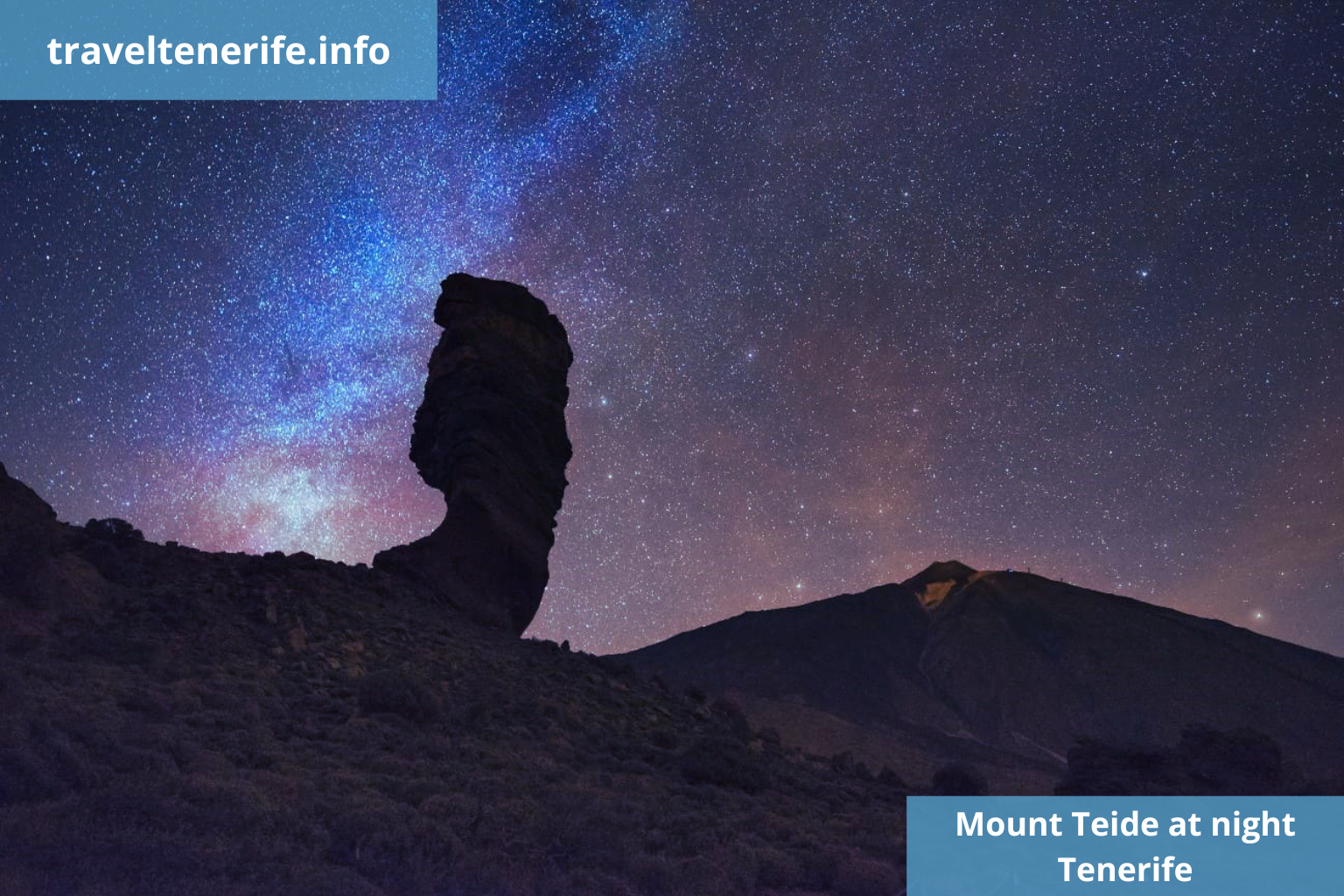
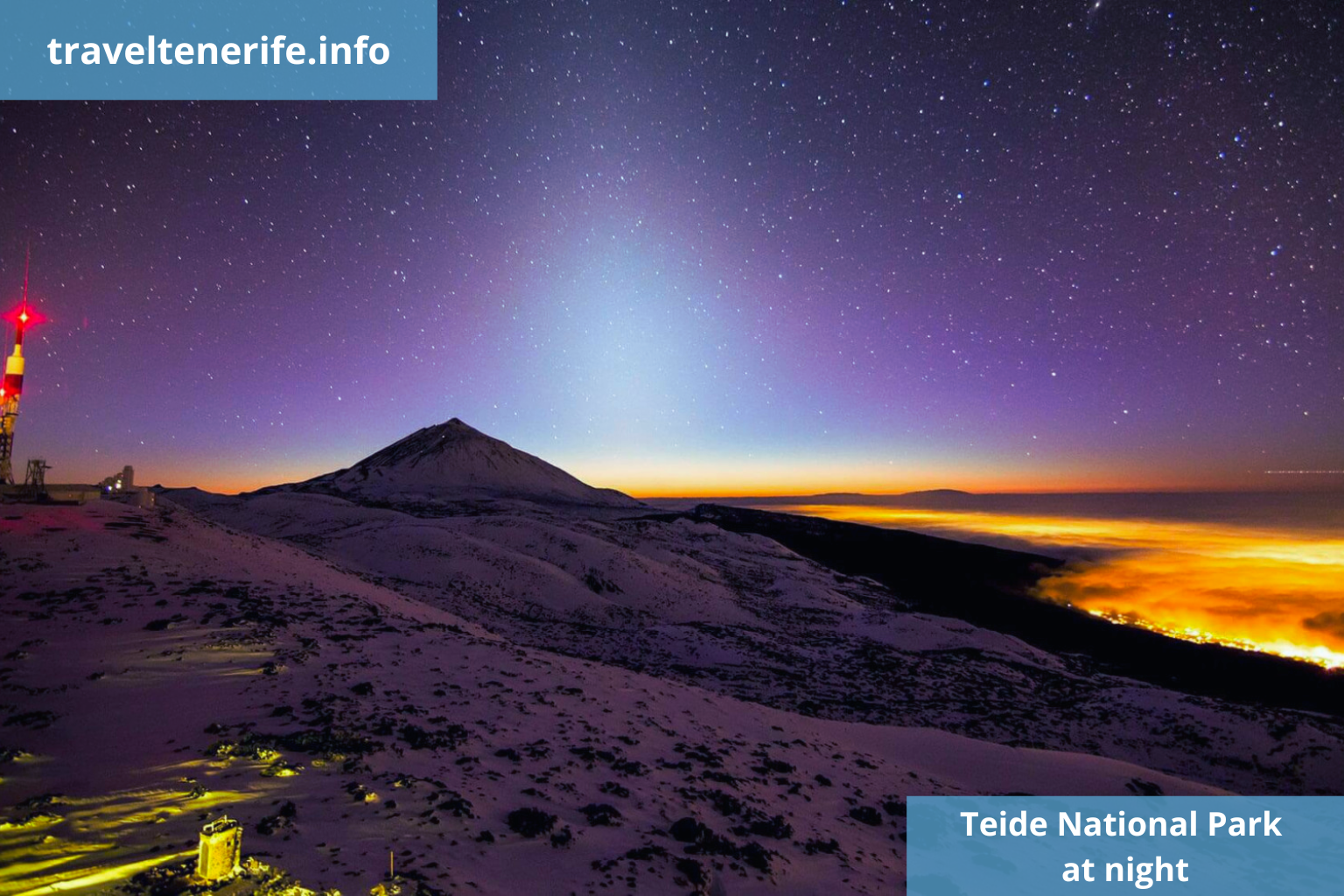
Tenerife’s Mount Teide at night offers a truly magical experience. As Spain’s highest peak (3,718m) and a UNESCO World Heritage site, Teide towers over a dark, volcanic landscape with almost no light pollution. This combination of altitude, clear skies and dry climate means Teide National Park has been officially recognized as a Starlight Tourist Destination, one of the world’s best places for stargazing. In fact, travel guides describe Mount Teide as “one of the best spots in the world for stargazing, a magical location where the night sky will leave you completely speechless”. Whether you join a guided Mount Teide by night tour or drive yourself to a high viewpoint, you’ll enjoy spectacular sunsets and some of the darkest, most star-filled skies in Europe.
Why Visit Mount Teide at Night?
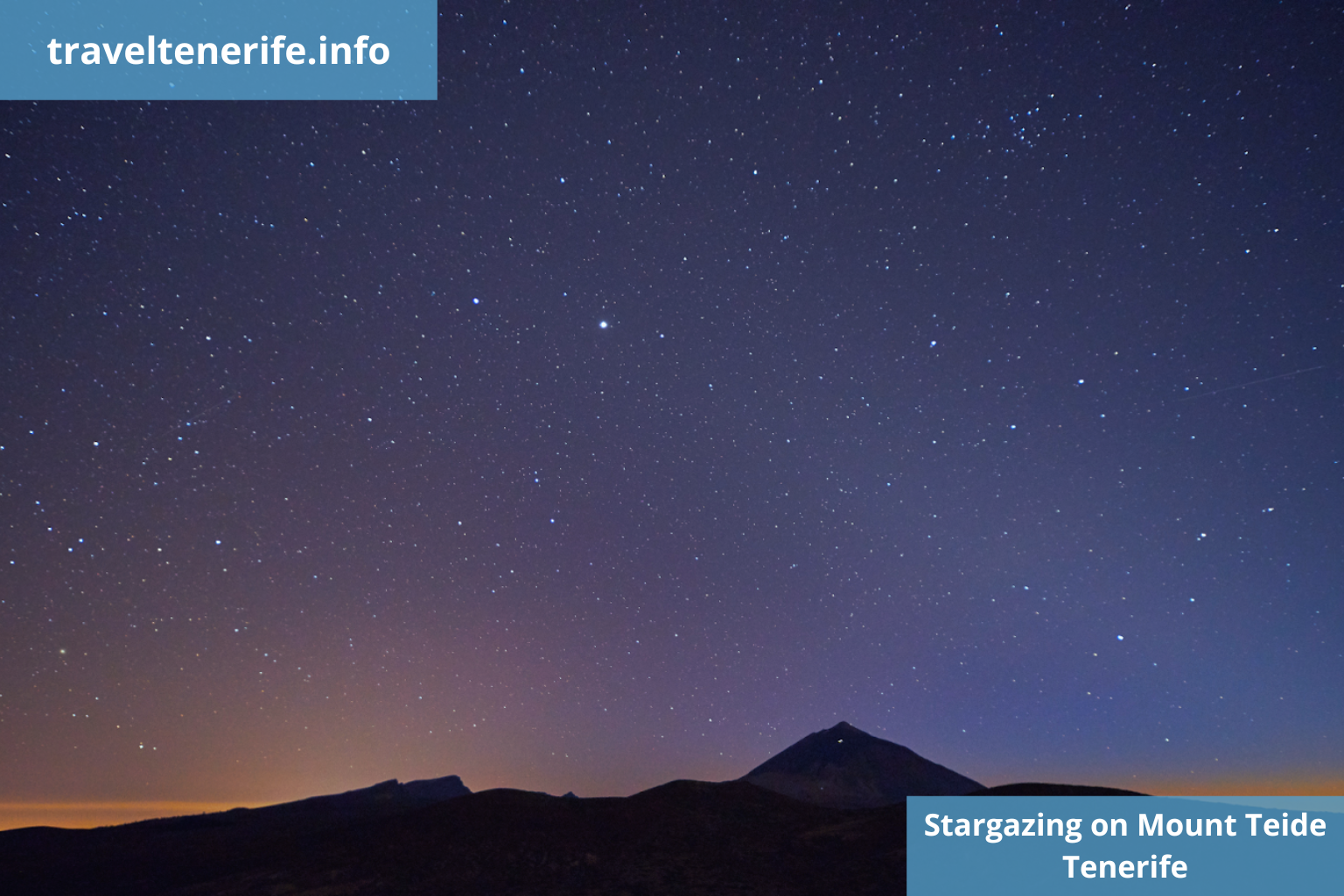
Visiting Teide by night is a very different adventure from the daytime hiking crowds. As darkness falls, the rugged lunar scenery transforms under the stars. With virtually zero light pollution and crisp mountain air, the Mount Teide night sky is unbelievably clear. Observers report seeing “the rings of Saturn, countless galaxies and nebulae, and even the craters of the Moon” through telescopes. In clear conditions you can spot dozens of constellations: from Teide 83 of the 88 constellations are visible, including bright features like the Summer Triangle and the Milky Way band in summer months. On a moonless night you’ll see shooting stars during annual meteor showers (e.g. the Perseids in August or Geminids in December) that make Teide a prime astro-tourism destination.
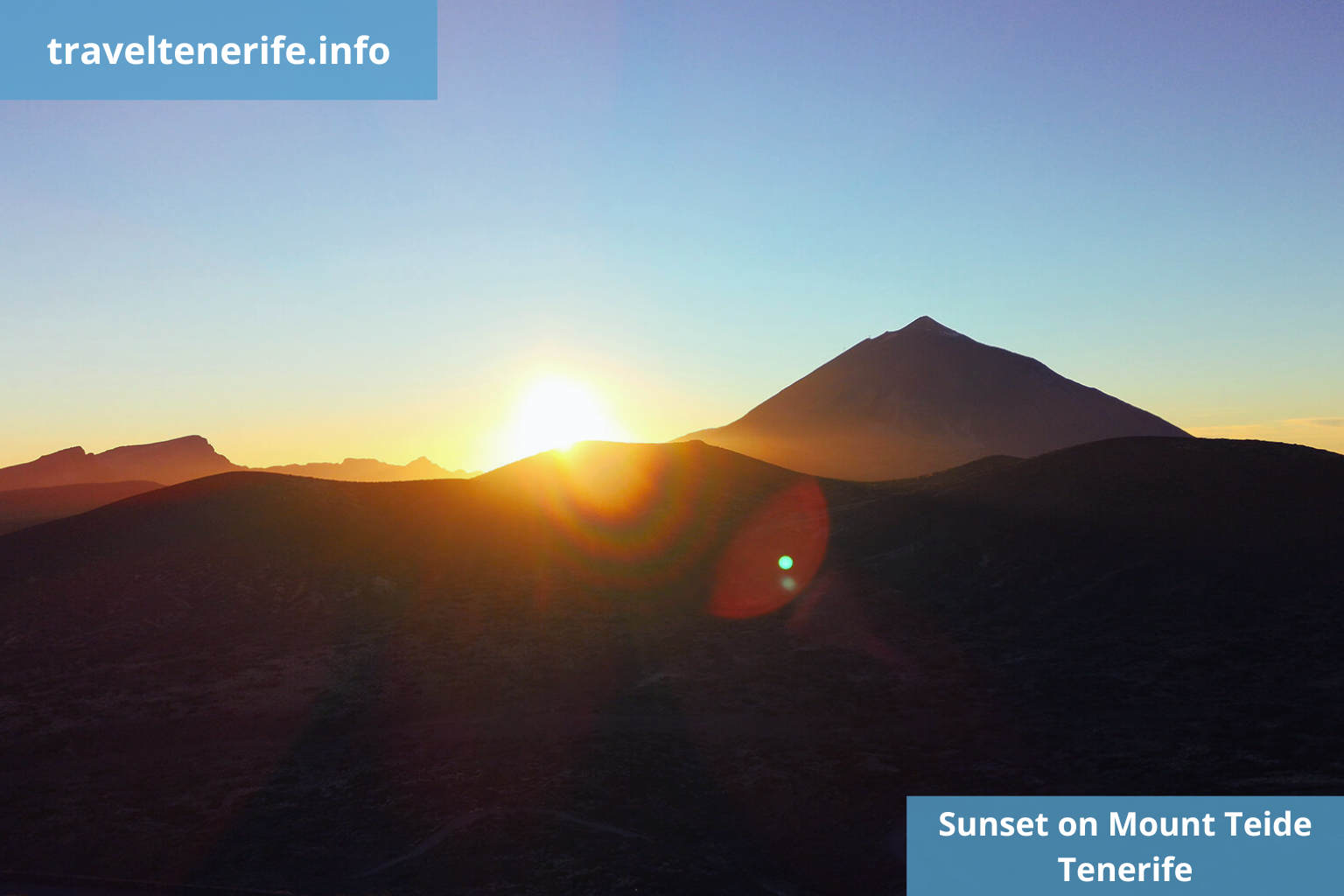
Sunsets on Teide are equally spectacular. Tours and visitors note that the volcano’s silhouette casts a massive triangular shadow across the clouds and sea. From viewpoints like Pico Viejo or La Rambleta you can watch the sky turn soft pinks, reds and purples as the sun sets. One operator describes Teide’s volcanic ridges as taking on an “otherworldly quality” under the alpenglow. After the sun dips below the horizon, a blanket of stars emerges. Tour guides – often certified by the Starlight Foundation – point out planets (Jupiter, Saturn, Venus) and show off the view: many guests say they were “absolutely stunned by the beauty of the Moon, Jupiter and Saturn” seen through telescopes.
In short, the combination of sunset vistas and world-class stargazing means that a night at Teide is “unforgettable” – as one reviewer put it, “the whole sky lit up with stars” was the highlight of their trip. No wonder guides call it “the best way to discover Mount Teide at night”.
Planning Your Teide Night Excursion
Visiting Tenerife’s Mount Teide at night requires a little extra planning. You’ll need to consider transportation, tickets, clothing, and local rules:
- Getting there. Teide National Park is reached by road from anywhere on Tenerife. If you’re driving, use the TF-21 or TF-38 highways up into the park. These winding mountain roads are well-maintained but steep, so drive carefully. Tours typically include hotel pickup and full transport. If using public transit, regular TITSA buses from Santa Cruz de Tenerife (routes 342, 348, etc.) go partway, but don’t run very late – so self-driving or a tour is usually easiest for a night trip.
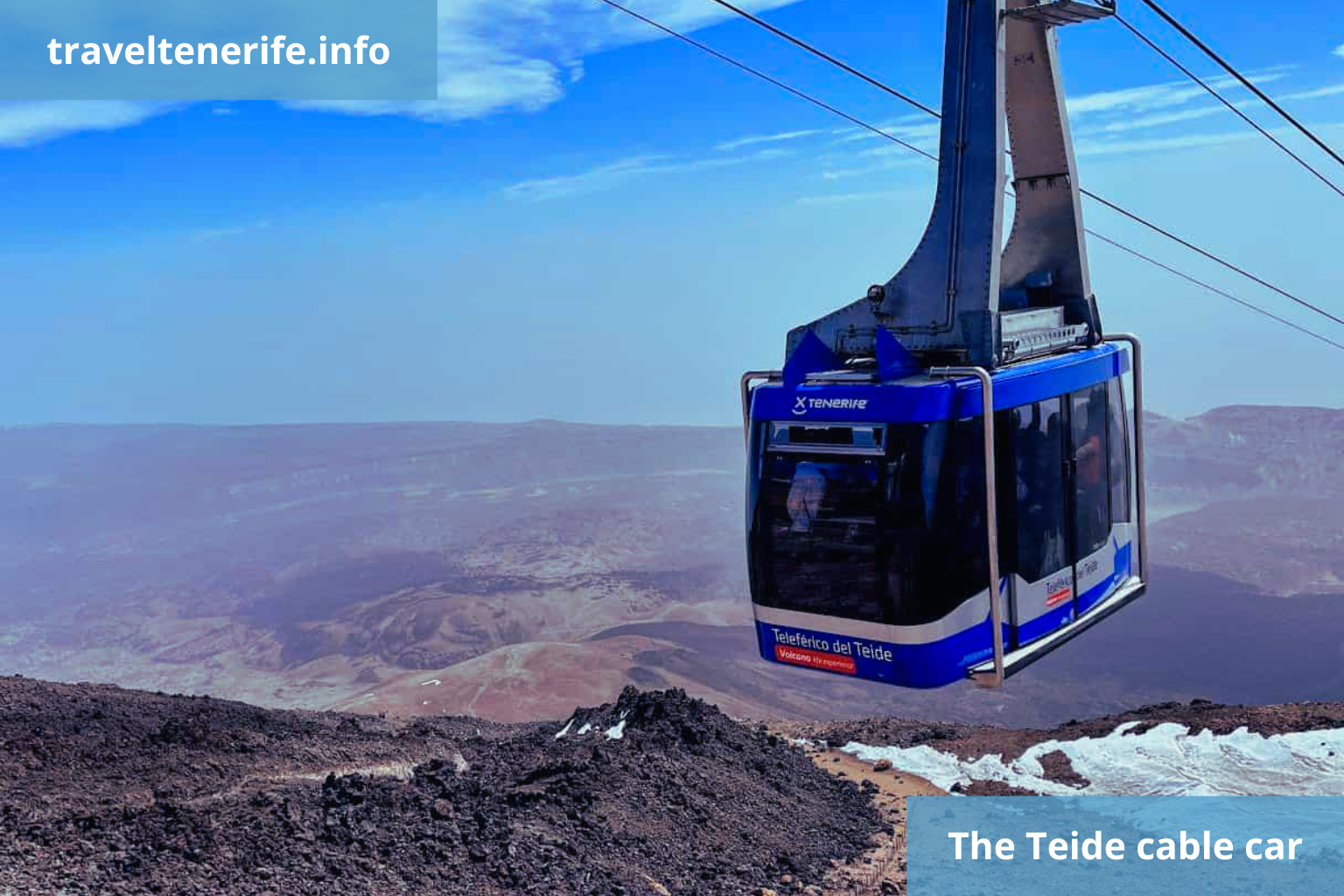
- Permits and tickets. The Teide cable car runs until late afternoon, but at night it stops – so cable-car ascent is only possible before sunset. (If you want to stay up high overnight, note that camping is officially prohibited in the park.) No permit is needed to visit viewpoints or use the cable car, but a special permit is required if you intend to hike all the way to the summit (trail #10). Most night tours stick to the cable car station and nearby trails (which don’t need permits) or simply drive into the park. Book tickets in advance: Teide is very popular, and especially for cable cars. TravelTenerife warns that the cable-car often sells out, so “purchase tickets in advance” to avoid disappointment. Guided tours generally handle ticketing for you, but if you go independently, plan ahead on the official Teleférico website or at the visitors’ center.
- When to go. Night tours run year-round, but the night sky varies by season. Summer months (June–August) have very short nights and peak summer Milky Way viewing. Winter nights (December–February) are much longer – but it can be near-freezing above 2,000m. Keep in mind mount Teide temperature at night is typically 3–5 °C in winter and 10–15 °C in summer. A sunny day (30 °C in the caldera at midday) can turn into below-freezing at night. Always check the weather forecast (the official Teide cable-car site publishes live temperatures – e.g. “0 °C at the cable car summit” on a recent November night) and be prepared for rapid cooling after sunset.
- What to pack. Layers are a must. Bring a warm jacket, hat and gloves (hat and warm clothing are even listed as essentials by tour operators). Closed-toe shoes or hiking boots are important – sandals or shorts are forbidden on most tours. Pack plenty of water (the high altitude is very dehydrating) and perhaps snacks or a light dinner. A small flashlight or headlamp (with red light option) can be useful once the stars come out. Finally, carry your camera and extra batteries – the high-altitude cold will drain them quickly!
- Health and safety. Be aware of altitude. Even riding the cable car (to 3,555m) can strain people with heart or breathing problems. Pregnant visitors and heart patients are often not permitted on high-altitude portions (cable car to La Rambleta). If you feel nauseous or dizzy on the winding road, pull over. Some travelers warn that the road to Teide “made me feel very car sick… the roads are very windy”, so take breaks if needed. Don’t rush your ascent – let your body adjust. Also note that climbing the mountain (above the cable car) requires a permit and very good fitness; almost all night excursions keep guests near the base station or Pico Viejo trail.
- Book ahead. Guided Mount Teide by Night tours often sell out, especially in summer and holiday periods. Companies like Volcano Teide and Teide By Night, as well as travel sites like TUI Musement, GetYourGuide and Club Canary, offer evening stargazing tours that need advance booking (some even fill up days before). If you plan to ascend by cable car at sunset, reserve those tickets weeks in advance. Many tours also limit group size or language, so book early for English tours. If you opt to go on your own, double-check road and park operating hours – the park closes its entrances around sunset.
Packing Checklist:
- Warm layers (coat, jumper, hat, gloves)
- Closed-toe shoes or hiking boots (no shorts/sandals)
- Water and snacks
- Camera, tripod and extra batteries
- Flashlight or headlamp (red light preferred)
- Any snacks or dinner if self-organizing
Guided Teide Night Tours vs. Self-Drive Adventure
There are two main ways to experience Mount Teide at night: organized tours or independent self-drive. Each has its pros and cons.
- Guided Tours: Many visitors prefer to join an all-inclusive Teide by night tour. These excursions typically include round-trip transportation from hotels across Tenerife, an English/Spanish guide, dinner (often at the park’s high-altitude restaurant or a picnic dinner), and time for stargazing with telescopes. For example, the popular “Sunset & Stars” tour by Volcano Teide highlights include watching Teide’s triangular shadow stretch across the clouds and enjoying stargazing with long-range telescopes under certified Starlight guides. GetYourGuide’s “Teide and Stars” excursion similarly promises “one of the three best starry skies in the world” and offers guests a picnic dinner after a sunset viewpoint and an astronomy session. These tours handle all logistics: they book the cable-car tickets (if included), pick up from your hotel, and have expert guides who point out constellations and run the telescopes. Guests report guides as “very knowledgeable” and passionate about astronomy.
Advantages: You’ll relax and enjoy the experience without worrying about driving or planning. Tours often come with extras like champagne, Canarian dinner, or even a visit to the Teide Observatory. The group setting can be fun and safe for solo travelers. (Some companies, like Teide By Night, even provide warm jackets or blankets during the observation.) Many tours emphasize photo opportunities – they stop at famous viewpoints for the sunset and the next morning’s sunrise or shadow of Teide if included.
Disadvantages: Tours can be long (often 7–8 hours), with early afternoon pick-ups. You follow the tour itinerary – some travelers noted long bus rides or waiting times between activities. Also, these tours can be pricey (especially those including cable-car tickets). And if the cable car is canceled for high winds (which happens in winter), they may refund or alter the program.
- Self-Drive Stargazing: For the independent adventurer, driving yourself up to Teide National Park is an option (with a rental car or personal vehicle). You can set your own schedule and explore at your own pace. Redditors suggest some of the best dark-sky spots are on the park plateau near Minas de San José / Llano de Ucanca: “From the moment you drive above the clouds… you will be amazed… no need for the tours,” one traveler enthused. Other popular spots include the Chipeque viewpoint and Roques de García (though these can get busy even at night). Driving yourself also lets you witness Teide’s famous shadow at sunrise (often visible shortly before or after dawn on clear days), which is memorable.
Advantages: You are free from tour schedules and fees. If you already have a car, you can be flexible and possibly save money. You can pick any star-watching spot above the clouds and stay as long as you like. Some note that with patience and good navigation, “just rent a car and go up there, no need for tours!”.
Disadvantages: You must handle all logistics. Remember that Teide’s roads are very winding and can be treacherous at night; bring warm clothing and drive slowly (the higher you go, the rougher the road and the colder the temperature). There are no night-time bus services into the park, so self-driving is essentially required if you’re not on a tour. Finally, you miss out on a guide’s expertise – it’s on you to find good stargazing spots and identify stars.
Tour Features: Many guided Teide night tours include: local pickup and drop-off, a visit to a sunset viewpoint, dinner or tapas, and telescopes with an astronomy guide. Some premium tours (e.g. TUI’s “Teide by Night”) even offer upgrades like a cable-car ride up for sunset. There are also smaller-group or VIP tours for a more intimate experience – for example, TravelTenerife mentions private mini-van stargazing tours with high-end telescopes.
TUI Mount Teide by Night: TUI (a major tour operator) also markets Teide night excursions (sometimes under its Musement or local agency brands). Their descriptions emphasize the breathtaking scenery: as one says, Teide’s landscape “takes on an otherworldly quality as the setting sun glazes its ridges and rocks in soft pinks, reds and purples”. TUI’s Teide tours typically include the same elements – sunset viewing and star gazing – often with options for cable car or observatory visits. Watching TUI’s brochures or online pages (e.g. “Teide by Night from South & West”) can give you an idea of the itinerary and pricing if you are a TUI holidaymaker.
Sunset and Stargazing on Mount Teide
A typical Mount Teide night tour itinerary looks like this:
- Afternoon Pickup: Buses or vans collect guests mid-late afternoon (depending on season, usually 3–5 pm). You’ll leave the warm coastal towns behind and ascend through Tenerife’s forests and highlands.
- Scenic Stops: Some tours make short stops on the way for photographs or quick hikes. For instance, one guide may stop at small volcanos or lava fields to explain local geology, as one TripAdvisor reviewer mentioned on their stargazing tour.
- Sunset Viewpoint: As the sun nears the horizon, the group arrives at a scenic lookout – often the cable-car La Rambleta platform (3,555 m) or the Pico Viejo trail. Here you’ll walk a short trail to a view of Teide or Pico Viejo and see the sun set over the islands. Tour companies advertise this as a highlight: “Marvel at the superb Teide sunset from the Pico Viejo viewpoint”. You may toast with cava and capture photos as volcanic ridges turn rose-gold.
- Cable Car (Optional): Some tours offer (or include) a cable car ride up for sunset. The cable car up Teide (from base at 2,355m to summit station at 3,555m) gives unforgettable views. If it’s included, you will ride up for sunset and then ride back down for stargazing. Otherwise, stargazing is done from the cable car’s base station at La Rambleta after dark.
- Dinner: After sunset, the group usually enjoys an early dinner. This might be a buffet at the park’s Parador restaurant (around 2,000m altitude) or a picnic-style meal brought by the tour. Many reviews praise sampling local Canarian dishes. (One noted “the buffet dinner had enough variety” and highlighted the group’s friendly guide while waiting.) Bringing a snack is also wise if a lunch or dinner stop isn’t included in your tour.
- Night Sky Observation: Once fully dark, the real show begins. On the open plateau at 2,300–2,400 m, with no city lights around, your eyes quickly adjust to see thousands of stars. Starlight-certified guides use long-range telescopes to point out planets, star clusters, galaxies and nebulae. Many tours emphasize learning the constellations – one reviewer said the guide made stargazing “such an interesting activity”. With a professional guide and high-quality telescopes, even beginners find themselves “absolutely stunned” by the clarity – e.g. seeing Jupiter’s moons, Saturn’s rings, and the Andromeda galaxy. The telescopes and laser pointers on these tours reveal far more than you could see unaided.
- Return: Around 10–11pm (longer in summer), tours head back down the mountain and drop you off at your hotel (or a central meeting point). Some tours also include a final dawn return, driving above the cloud layer for a view of “sea of clouds” before sunrise.
This seamless package – transport, guide, dinner, sunset and star view – is why many visitors rave about Teide night tours. As one TripAdvisor review put it: “I would definitely recommend this… from start to finish, it was well thought out and interactive and everyone is so knowledgeable and friendly”. Another said it was their “most memorable highlight” in Tenerife – praising Jupiter, Andromeda, and a sky “lit up with stars” they’d never seen before.
Stargazing Tips: The Mount Teide Night Sky
Whether on a tour or DIY, here are some tips to make the most of the Teide night sky:
- Find Dark Spots: Avoid any light sources. The best stargazing points are well away from roadside lights. In the park, spots like the Llano de Ucanca (near Minas de San José) or the Chío/Chipeque road have dark skies. Some drivers simply pull off at wide gravel shoulders on the main TF-21 road above the forest line – once above 2,000m you’re often above the cloud cover, and any glow from towns is far below you.
- Let Your Eyes Adjust: It takes ~15–30 minutes for your eyes to fully adapt to the dark. Turn off headlights (or use very dim red-light flashlights) during this time. Guides often give an initial spotting of the Milky Way or Saturn as a reward after dark-adaptation.
- Use Binoculars/Telescopes: The night sky is much brighter with optics. If you’re on a tour, they provide telescopes, but it’s worth bringing your own binoculars for quick views (or astrophotography). A decent pair of 10×50 binoculars can show you star clusters, the moons of Jupiter, and details of the Milky Way that your eyes miss.
- Look for Planets: Teide’s sky is great for seeing bright planets. Jupiter and Saturn are often high overhead; Venus and Mars can be visible right after sunset; and sometimes Uranus/Neptune (with telescope). Guides will point these out.
- Celebrate Celestial Events: Check the calendar. Teide hosts brilliant meteor showers (e.g. Perseids in Aug, Geminids in Dec, with sometimes over 100 meteors/hour) and even occasional northern lights (very rarely) or lunar eclipses. Watching a meteor shower on Teide is an iconic experience.
- Capture Photos: If you’re into astrophotography, use a tripod and long exposures. The Milky Way often arches brilliantly above Teide. You can take night tours’ telescopes or tripods if allowed, but otherwise park your car safely and set up in a dark spot on your own. (Some visitors wake early to catch the Moon setting with Teide in silhouette.)
- Stay Warm and Alert: Wrap up warmly! It can get very cold after midnight. Keep moving occasionally to stay warm, and watch for wildlife – rabbits and bats are often seen at night in the park. Stay within safe paths – nights are very dark, so avoid wandering too far off trails or into hazardous areas without light.
By following these tips, you’ll get the most awe out of Tenerife’s mount teide night sky, whether you’re with a tour or on your own.
Driving Up Mount Teide at Night
If you choose to drive up Mount Teide at night, be prepared for an adventure. The main road (TF-21 from the south or TF-38 from the north) is narrow and winding, though fully paved. Many parts have sheer drop-offs and no guardrails, so drive slowly and carefully (especially if it’s your first time or in bad weather). Here are some key points:
- Best Spots to Stop: Locals recommend stargazing at the high plateau. One Tenerife resident advises: “rent a car and just go to the National Park… Between Minas de San José and Llano Ucanca are the optimal points to do it”. Llano de Ucanca (around 2,000–2,200m altitude) is flat and offers panoramic skies. Parking areas there allow 360° sky views above the forest ring. Another viewpoint is the Mirador Chipeque (just off TF-21); it has a small parking lot and unobstructed views southward. If going all the way up, the cable-car parking lot (2,355m) and the trails near La Rambleta are good – but note at night the cable car is closed.
- Emerging Above the Clouds: On many nights, Tenerife’s clouds stay below 2,000 m, so by the time you climb above them, you’ll be in a sea of stars. One Redditor described how “from the moment you drive above the clouds you will be amazed”. If you arrive early, you might even watch a cloud inversion envelop the lowlands as the sun sets, then suddenly break into a starry sky overhead.
- Road Safety: In darkness, the road can be disorienting. Watch for wildlife (mouflons and rabbits sometimes cross) and use low beams to avoid dazzling oncoming drivers. Never stop or park on the road itself – only use designated pull-offs. If you feel uncomfortable, it’s best to turn back. As one tour guest warned, “it can’t be helped that the roads are very windy” – so take your time.
- Legal/Logistical: Note that camping is not allowed in the park. You can pull over and sit in your car, but don’t pitch a tent or overnight. Also, once inside the park, there are no petrol stations – fuel up beforehand. There is usually cell signal up to mid-elevation, but it can drop near the summit, so download maps offline.
- Turnaround Time: Without a tour, you should leave Teide park before midnight (the park closes its visitor area overnight). Many drivers head down around 10–11pm to avoid fatigue. If you’re self-driving, remember you won’t have a guide or telescope, so you’re mostly there for the raw sky and sunset/sunrise views. If you want the telescopes and commentary, a tour might still be worth it.
In summary, driving yourself up Teide is perfectly doable for confident drivers. Pack your warm clothes (Redditors advise “bring warm clothes and blankets” even on rental car trips), fill the tank, and plan your route. The reward – an immense starfield overhead and the silent grandeur of a volcanic landscape at night – can be unforgettable.
Weather and Mount Teide Temperature at Night
Remember that Temperatures on Mount Teide at night are much lower than on the coast. Even in summer, expect cool to cold conditions after dark. For example, climate data show that the average night-time low at Teide’s elevation is about 11–14 °C in August, but plunges to just 3–5 °C in January/February. In practice, when the sun sets, the thin air allows heat to escape quickly.
Tour operators stress how quickly it cools: one advises that “as the sun sets… the temperature drops dramatically. It’s not uncommon for the mercury to plummet below freezing during the winter months”. Indeed, on a recent November afternoon, the cable-car summit was recorded at 0 °C! Wind chill can make it feel even colder.
To prepare, dress in layers and expect to wear all-day clothes into the evening. Bring thermal underlayers or an extra fleece at minimum. If you’re taking a guided tour, note they often provide thick jackets or blankets – for example, some companies explicitly “will provide jackets/hoodies/blankets to make sure you’re warm… during the observations”. But even then, guests commonly bundle up in hats and gloves once the stars come out. Wear sturdy closed shoes – tours will refuse entry if you show up in shorts or sandals.
Weather variability: The sky above Teide is almost always clear, but weather can change quickly. In winter, snow may dust the higher peaks, especially after storms, making some trails slippery (and rare, tours may cancel if there’s ice). Summer brings very dry, clear nights – but the midday heat in the caldera can be >25 °C, followed by freezing nights. Check official Teide weather (Volcano Teide’s site or the park’s webcams) before you go. Always be prepared for unforecast chill.
Dress Code Tips: Good advice includes “wear warm, comfortable clothing and proper footwear” – windproof layers, a warm hat, and maybe a scarf. Sunglasses are actually recommended for the descent, because the high-altitude sun (especially on snowy days) is very bright. Pack sunscreen and a cap for the daytime portions, even if you arrive by tour after dark.
By acknowledging Teide’s night-time cold, you’ll avoid being uncomfortably chilled and can focus on the sky above. Warm drinks (cocoa, tea) are usually available on tours; bring a thermos of something if you like.
Booking, Tickets and Transportation
Cable Car: If you want the best views, consider the cable car. Many night tours offer an add-on cable-car ride at sunset. This grants access up to 3,555m where the panorama of surrounding islands is unmatched (La Gomera, La Palma, El Hierro). After sunset, you ride back down to the base for stargazing. Buying a standalone cable-car ticket for sunset is possible, but extremely limited: only a few slots per day, and they sell out fast. TravelTenerife strongly advises booking cable-car seats well in advance (online) because the demand is so high. Tickets are often fully booked months ahead in summer.
Park Admission: There is no gate fee for Teide NP itself, but you must have a cable-car ticket or tour if you plan to ascend. All vehicles have to obey park opening hours (usually 9am–5pm in winter, 8am–6pm in summer), though many night tours are allowed to enter after closure for their program. Keep your entry receipts or tickets handy if asked by park rangers.
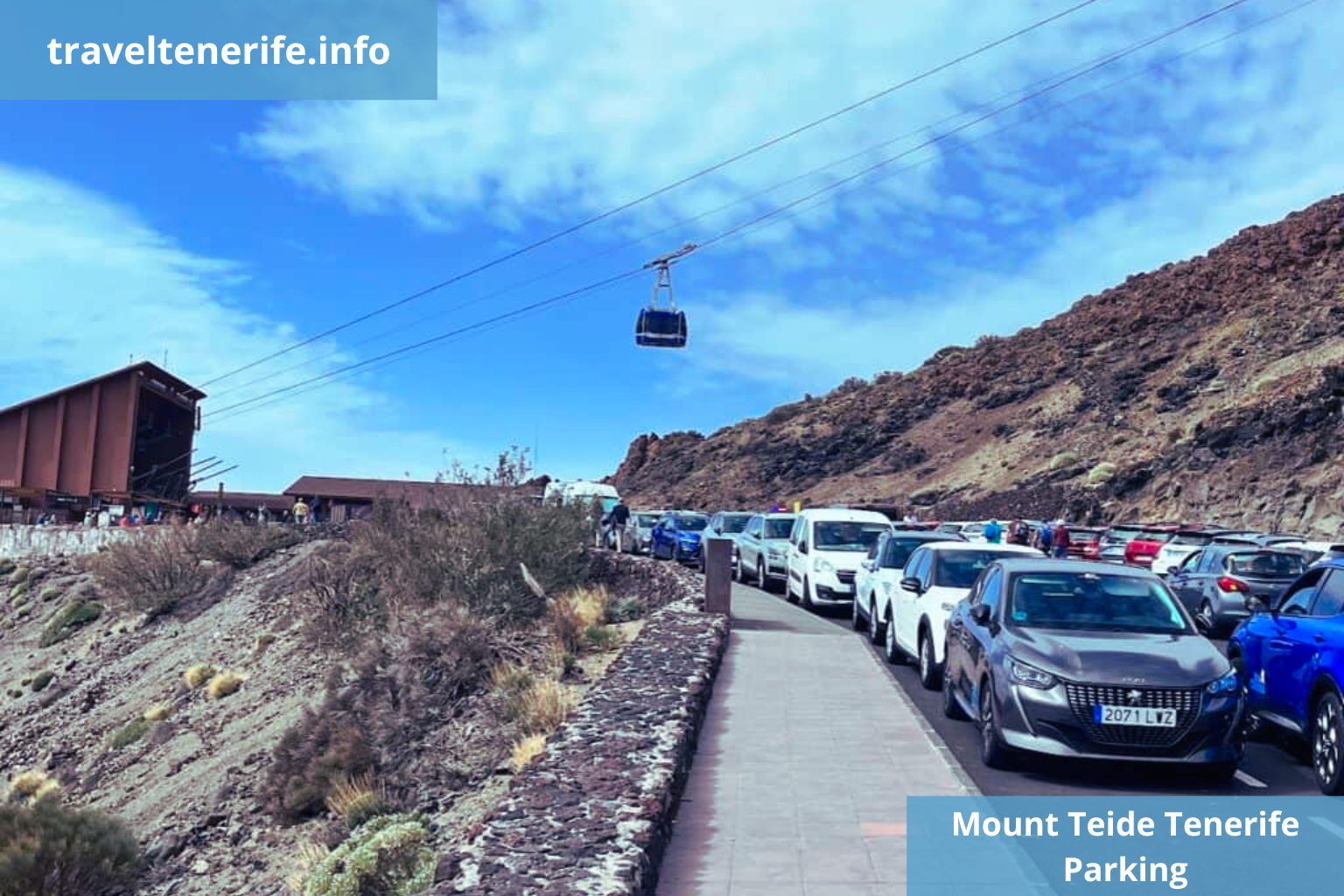
Public Transport: There is no late-night public bus service up to Teide. Day buses (TITSA 348/342 from South, 342 from North) only run to the park entrance or the Parador during daylight. So if you rely on buses, you’d have to book a daytime trip or join a guided tour. Taxi companies from Tenerife towns do offer Teide transfers, but at night they charge extra and must be booked well in advance.
Tours as Tickets: Note that most organized Mount Teide at night tours include all necessary tickets. For example, one trip option may cover bus transport, sunset cable-car, and dinner, then star-viewing. Read the “Includes” section carefully: it often lists “ticket to ascend and descend by cable car” as optional, and “food” or “observatory visit” depending on the package. If a tour doesn’t list cable-car access, assume it won’t go above 2,355m.
Safety and Special Considerations
Your safety is paramount. Here are important considerations:
- Altitude Warning: Anyone with serious cardiovascular or respiratory conditions should be very cautious. Pregnant women and people with heart problems are often not allowed on sections involving the cable car. If you have such conditions, stick to lower-elevation tours or star parties that stay at <2,000m. Likewise, children under 8 are usually not permitted (tour age limits are strict).
- Physical Fitness: Even if you’re not hiking to the summit, expect some walking on uneven ground. Teide’s “Sunset & Stars” tour, for example, includes a 20–40 minute uphill hike (round trip) to a viewpoint. Wear good shoes. If you aren’t accustomed to exercise or have mobility issues, let your tour operator know in advance; they may adjust the plan or advise a simpler package.
- Regulations: It’s illegal to light fires or camp. Drones are also restricted in the national park. You cannot stay overnight on the mountain (except in the Parador hotel, which must be booked separately). Torches and phone flashlights should be used sparingly with red filters to avoid disturbing wildlife and other stargazers. In fact, stargazing etiquette dictates red light only – a white beam will ruin night vision for everyone.
- Weather Interruptions: Tours often have cancellation policies for weather. If clouds or high winds prevent a cable-car run, most reputable companies refund the cable ticket and either pivot to a lower viewpoint or postpone the date. (One policy notes that if winds cancel the cable-car, you’ll see the sunset from a safer spot and get a partial refund.) If stars are obscured by clouds, some tours refund the stargazing portion. Since Tenerife’s weather on Mount Teide can be unpredictable, always check the cancellation terms.
- After-Hours Travel: If you drive yourself, remember that the park’s visitor centers and help services close at dusk. You won’t find any open stores or cafés – bring everything you need. Cell phone signal can also be spotty on parts of the volcano, so have a plan to return safely.
By respecting these guidelines, you’ll ensure a safe and enjoyable night on Teide. Many travelers note that the guides and operators are very professional – one review said the tour “was worth every single cent” thanks to the knowledgeable guide and safe operation. The biggest risks are simply underestimating the cold or the drive, so preparing well is the best insurance.
Mount Teide by Night Reviews and Traveler Experiences
What do visitors say? The Mount Teide by Night tour garners mostly glowing reviews on TripAdvisor and travel forums. Here are a few highlights from real travelers:
- “One of the most unforgettable experiences I’ve had on Tenerife. The sunset over Teide was magical, and watching the stars afterward in such a clear sky was awe-inspiring. The guides were friendly, professional, and passionate about what they do. Absolutely worth it!”.
- “The whole experience was amazing from start to finish. I’m glad there was a hotel pickup… we climbed the mountain for sunset which was such a beautiful sight; the landscape was breathtaking. Afterwards the buffet dinner was great, and the stargazing with the telescope left me absolutely stunned by the beauty of the moon, Jupiter and Saturn. Everyone was so knowledgeable and friendly. I would definitely recommend this to anyone!”.
- “This was our favourite and most memorable highlight of our time in Tenerife… The view from the cable car was beautiful, the sunset was perfect. The most unforgettable moment was the star gazing after the hike. We saw Jupiter and 2 of its moons, the Andromeda galaxy, and much more. Even with the naked eye, seeing the whole sky lit up with stars is something we’d never seen before. We would highly recommend this tour!”.
- Even critical feedback often notes positives: one visitor mentioned feeling seasick on the winding road, but still praised the guides and especially the incredible starlit sky. Many reviewers suggest doing this tour (or at least going up there at night) should be mandatory on Tenerife trips.
On travel forums like Reddit, enthusiasts also recommend Teide’s night experience. A Tenerife local advised that you “don’t need [the summit] to stargaze” and recommended Llano Ucanca as a top spot. Another shared excitement about simply climbing above the clouds and enjoying the view: “it honestly doesn’t matter where you stop to gaze… no need for tours!”. These comments echo TripAdvisor reviews: most visitors agree that, despite the hassle, Teide’s night sky is worth it. One traveler remarked, “the experience was phenomenal… I would come back for this tour alone when more of the Milky Way is visible”.
Even Lonely Planet’s community notes that Tenerife’s location and conditions make El Teide a top choice for astronomy. While we focus here on Teide itself, it’s worth mentioning that the Observatorio del Teide (a nearby solar observatory at lower elevation) is often cited as one of the northern hemisphere’s best stargazing sites. Many tours offer an afternoon visit there for a behind-the-scenes look at the giant telescopes (this is usually an optional add-on). Travelers who combine an observatory tour with a night session on the mountain report learning a great deal about both solar and night sky observations.
Tips for Tenerife Mount Teide at Night
- Check the Weather: Always verify the forecast. Even if skies at sea level are clear, Teide can be socked in by clouds above 2,000m. Several tours will cancel or modify if clouds prevent a view of the sunset or stars.
- Book Transportation: If you plan a self-drive, reserve your rental car well in advance (especially in high season) and clarify what insurance covers mountain driving. If you rely on a tour, double-check the pickup location and timing.
- Reserve Cable-Car Early: If you want the cable car for sunset, book it weeks ahead. Otherwise, plan stargazing from the base station or open viewpoints.
- Bring ID: Some tours and the cable car require showing passport or ID.
- Camera Equipment: The temperature and wind can make long exposures tricky. Bring a sturdy tripod and keep spare batteries warm in an inner pocket.
- Be Patient: Allow enough time. Stargazing isn’t instant; eyes need adjusting and sometimes guides will point out faint objects with laser pointers. Enjoy the slow revelation of the sky.
- Stay Hydrated and Fed: High altitude dehydrates you quicker. Drink lots of water, and don’t skip meals. If you feel lightheaded, sit down and sip water slowly.
- Permits for Hiking: If you ever plan to hike Teide by day, remember the summit trail (No.10) requires a free online permit from the park authorities. This isn’t needed for cable-car trips or for most night activities in the park.
Frequently Asked Questions: Mount Teide at Night
1. Can you visit Mount Teide at night on your own?
Yes, you can drive yourself into Teide National Park at night. The main roads (TF-21 and TF-38) are open, and many travelers choose to stargaze from scenic viewpoints like Llano de Ucanca or Minas de San José. However, be prepared for cold temperatures, winding roads, and no public transport after dark.
2. Is it better to take a guided Mount Teide by night tour?
Guided tours are ideal if you want a seamless experience. They typically include hotel pickup, dinner, a professional astronomy guide, and powerful telescopes for stargazing. It’s a great option for first-time visitors or those without a rental car.
3. How cold is Mount Teide at night?
Nighttime temperatures at Mount Teide can drop to 0–5 °C (32–41 °F) in winter and 10–15 °C (50–59 °F) in summer. Always bring warm layers, even if it’s hot at sea level.
4. What should I wear and bring for a night tour?
Wear warm, layered clothing, closed-toe shoes or hiking boots, and bring a jacket, gloves, and hat. Also carry water, a flashlight (preferably with red light), snacks, and a camera with a tripod for astrophotography.
5. Do I need a permit to visit Mount Teide at night?
No permit is needed for general night visits or stargazing near the base station or along public roads. However, a free permit is required if you plan to hike to the summit via trail #10 — though this is usually done during daylight hours.
6. Is the cable car open at night?
No, the cable car closes in the late afternoon. Some sunset tours include a ride before closing time, followed by night-time stargazing at the base station.
7. Are children allowed on Mount Teide night tours?
Most tours have age restrictions. Children under 8 years old are typically not allowed on high-altitude tours due to altitude risks. Always check with the tour provider in advance.
8. Is stargazing on Mount Teide worth it?
Absolutely! With minimal light pollution, high altitude, and certified Starlight guides, Mount Teide is considered one of the best stargazing locations in the world. Visitors often call it the highlight of their Tenerife trip.
Mount Teide Night: Conclusion
Visiting Mount Teide by night is an unforgettable addition to any Tenerife itinerary. The combination of a dramatic volcanic landscape, fiery sunset, and some of the world’s clearest stars makes for a once-in-a-lifetime experience. Whether you choose a guided Mount Teide at night tour (with warm jackets, dinner, and telescopes included) or you bravely drive up yourself, the reward is seeing the sky like few places on Earth: it truly is a stargazing paradise. As one satisfied visitor said, “We would give this trip 100 stars out of 100. It was a phenomenal experience.”